

Hi NoGoodies,
Welcome to NoGood Insights, your bi-weekly pulse on all things growth. We break down successful brand campaigns, provide you with the best guides for all things growth marketing, and share emerging trends and insights to keep you ahead of the curve.
Here’s a quick TL;DR of what’s below:
Brands are hiring like studios, and marketers now rank entertainment value above product messaging
Authenticity turned into a style anyone could commission, and AI made audiences suspicious of all of it, so posting proof is what earns back trust
Paid influencer partnerships are drawing backlash, so brands are hiring creators for what they know
Follower count stopped predicting reach, because the For You page and social search now decide who sees your content
2026 threw the kitchen sink at social. The past decade wrote brands a playbook for growing online, but digital fatigue and a new generation coming online have handed them a very different roadmap.
Over the past few months, our Organic Social Team has been tracking platform shifts and cultural moments, and surveying social and brand marketers across our network.
We just published our findings in our 2026 Trend Report, For NoGood Reason. The full report runs over 60 slides, so we’re breaking down four of the biggest shifts here:
Brands turning into entertainment companies
Transparency vs. authenticity
Influencer marketing trading paid reach for real roles
Reach breaking away from follower counts
Let’s get into it.
The entertainment business of marketing
Brands used to pay their way into entertainment through product placement, but now they’re making the entertainment themselves. Gap hired its first Chief Entertainment Officer, and Ramp is paying up to $350K for someone to build “a media brand, not a content calendar.”
Algorithms made this possible. Studios and networks used to own the distribution pipe, but short-form social media gave access to everyone, allowing brands to publish their own programming for a fraction of what placement used to cost.
In our survey, 68% of marketers said they prioritize entertainment value over product messaging. The full report covers which branded series are actually landing, and why online-only shows now outdraw traditional TV.
Transparency vs. authenticity
Authenticity is dead. It died the moment brands realized they could commission it from someone else.
In our report we tracked a cycle that we call “The Authenticity Cycle.” It works as follows:
Authenticity shows up as a trend.
It settles in as relatability.
Then it regresses into performance.
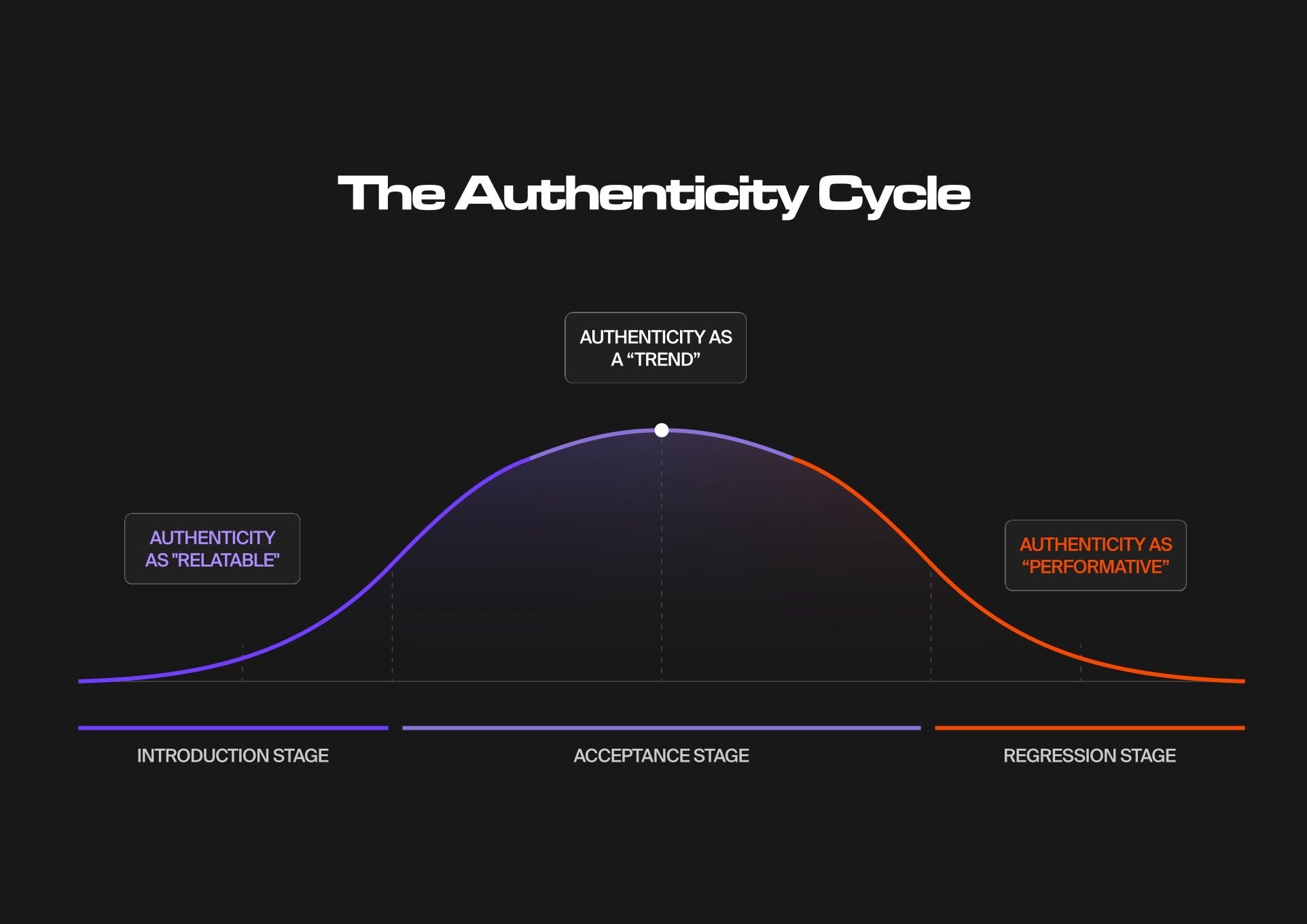
Take Merit Beauty’s messy sink shots, Kodak’s curated TSA bin, and Leon Bagels’ “candid” food and drink spills for example. All were styled to look like accidents. Each one attempted to sit at the start of the curve, but actually now sit at the final stage of the cycle.
“Messy” and “raw” started as a trend, settled in as relatability, and turned into performance the moment brands could commission it via aesthetics.
Generative AI made this even worse. Aritzia’s conveyor-belt shopping bags and KFC’s pickle-filled Pickle Puffer both got accused of being AI, but were in fact real.
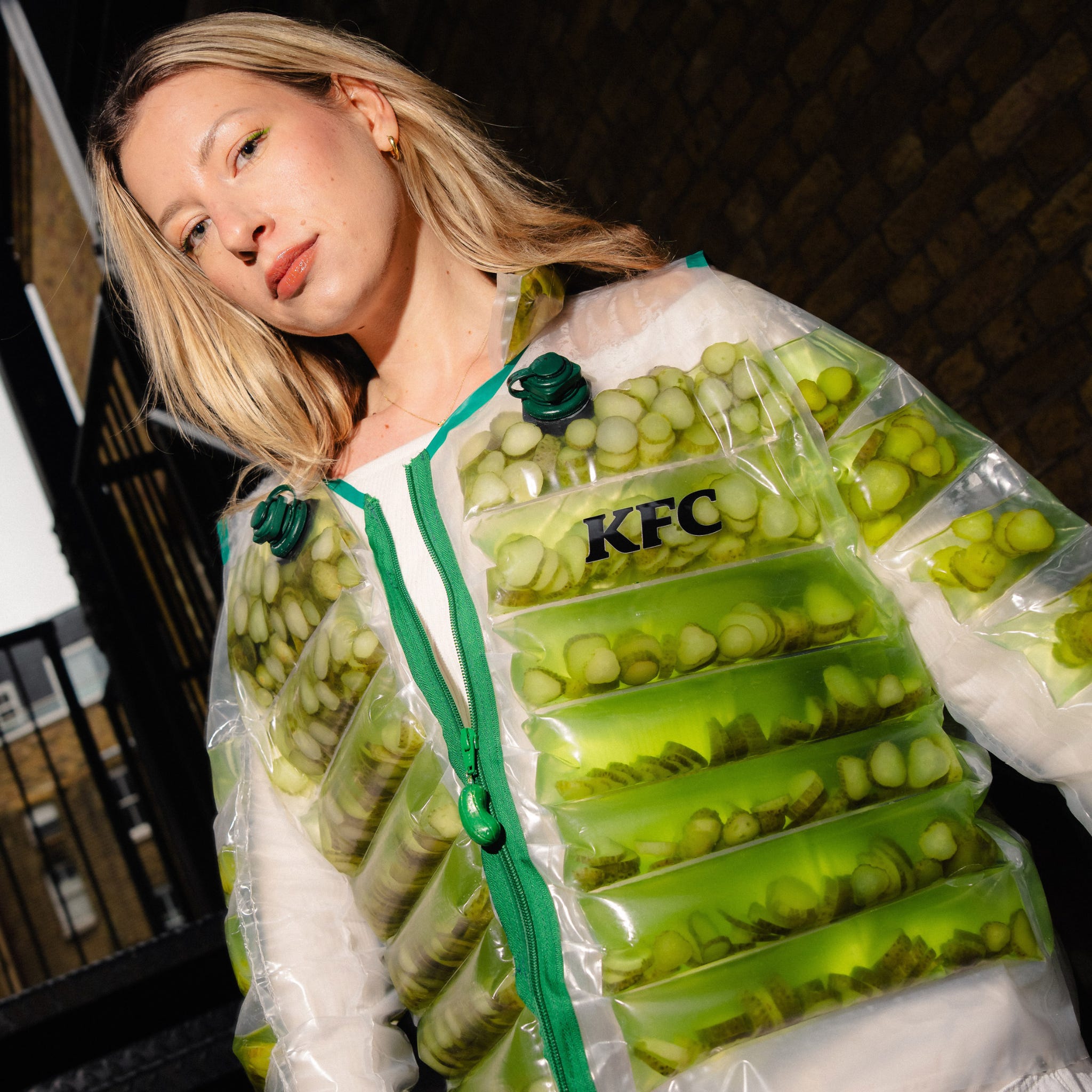
In our survey, 76.6% said learning a brand using AI visuals hurts how they see it. With AI this is hard to spot, so posting proof is how a brand keeps that trust, and that’s exactly what KFC did.
The rise and fall of the influencer economy
The golden age of influencing is officially over. Influencing got so obvious, so in your face, and so constant that buying proximity in exchange for trust completely eroded.
Starbucks’ Coachella creator trip drew boycott backlash and OpenAI’s brand trip read as out of touch and sparked criticism of the involved influencers.
A Nantucket shop’s “No Influencers” sign was perhaps the clearest embodiment of the trend. The sign won the internet, and the influencer outrage over it resulted in online support of the shop.
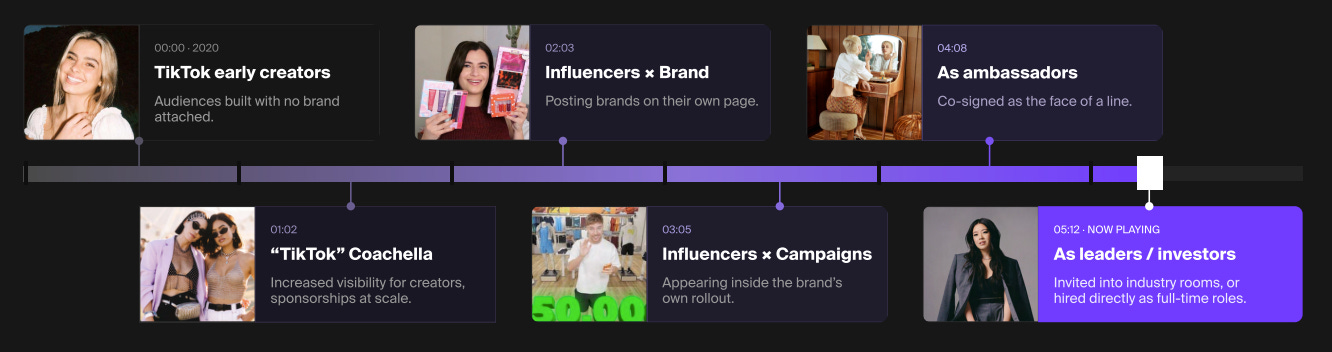
Brands answered the recession by hiring expertise in place of buying trust. Audiences trust what a creator knows over what they’re paid to say, so SoFi hired finance educator Vivian Tu, Lightspeed hired AI explainer Claire Zau, and Rhode put creator Golloria to work with its formulator.
RIP to your follower count
You don’t own your followers anymore.
In one TikTok example from our report, 97.7% of a video’s views came from non-followers, and the Following feed delivered just 0.1%.
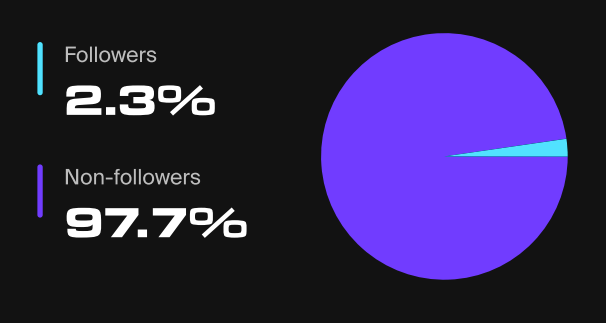
TikTok’s For You page broke the link between who follows you and who sees you. The feed learns from every watch and then serves whatever it thinks you’ll finish, whether or not you’ve heard of the creator.
Reels and Shorts copied the model, then built-in social search opened another door: someone can type “best coffee in Brooklyn” into TikTok and land on your video without knowing your name.
The big picture (sort of)
All four shifts point to an audience judging brands like everything else in their feed. Shortcuts to attention stopped working this year, so brands need to start focusing on earning their place online.
These four shifts are only part of the bigger picture. For every shift we’re tracking, read the full trend report and let us know what you think.
🚀 Ready to meet your NoGood partner?
Tell us where you are and where you want to be — and we’ll help get you there.