

Hi NoGoodies,
Welcome to NoGood Insights, your bi-weekly pulse on all things growth. We break down successful brand campaigns, provide you with the best guides for all things growth marketing, and share emerging trends and insights to keep you ahead of the curve.
Here’s a quick TL;DR of what’s below:
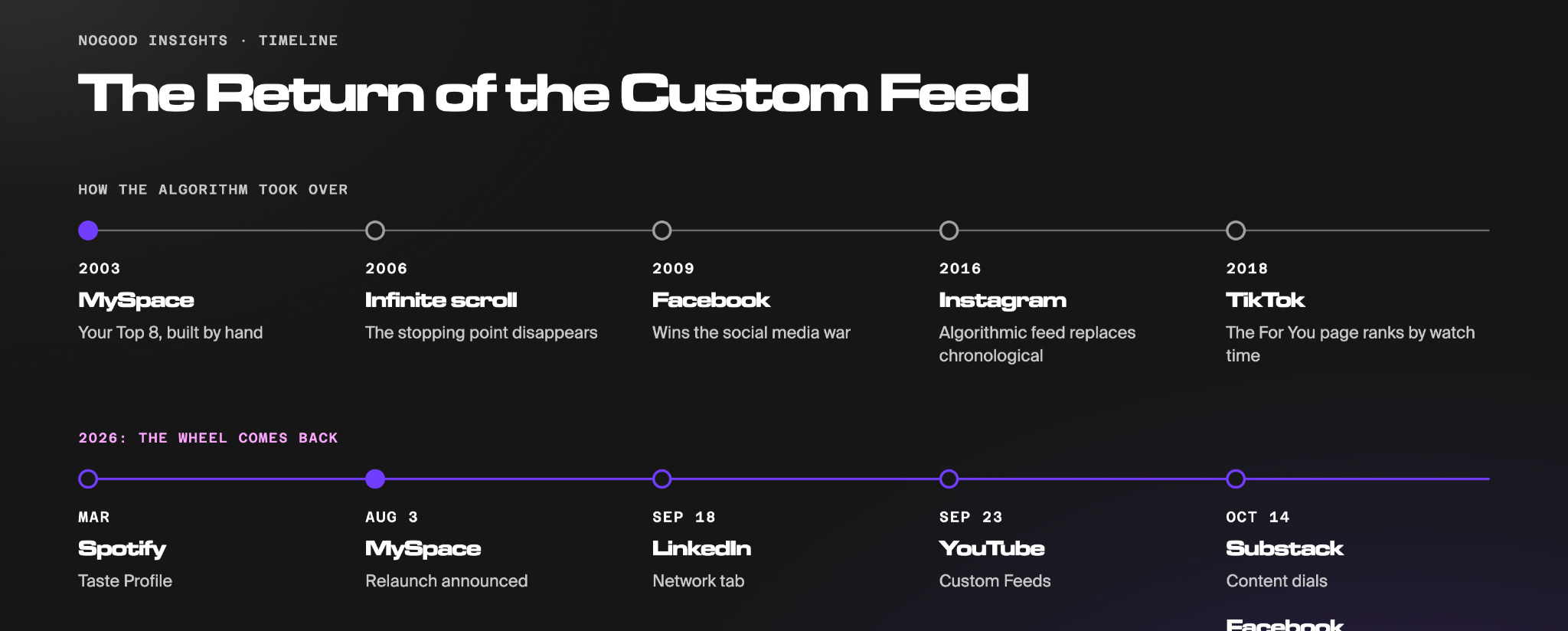
Substack added dials that let you turn video, audio, longform, and community posts up or down, mute keywords, and label AI content.
Facebook launched “Your Algorithm,” which lets you tell your Feed and Reels what you want to see in plain language.
YouTube announced Custom Feeds, multiple homepage tabs you build by typing a prompt.
LinkedIn is testing a Network tab that only shows posts from people you’re connected to or follow.
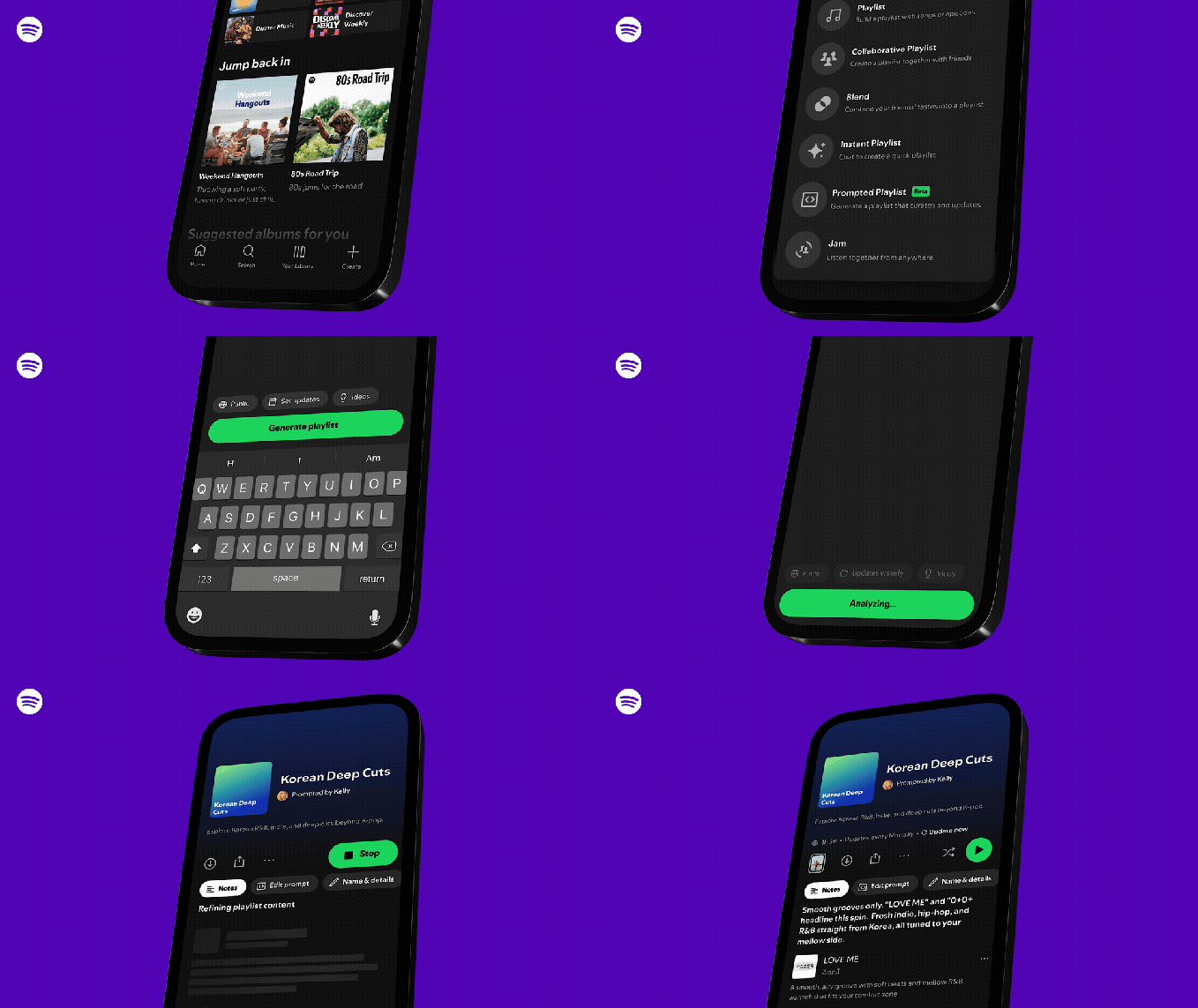
Spotify launched Taste Profile, which shows how Spotify reads your taste and lets you correct it.
MySpace announced it’s relaunching, with no date yet.
The algorithms spent the better part of a decade learning every swipe and link click, and then showed us what it thought we wanted with no input or questions. Now, the people who built those algorithms are handing us steering wheels.
Here on Substack users recently took the wheel (or should I say dial?) On the company’s own page they published an article titled “You told us you wanted more control over your feed. Here’s the dial.” which outlines a new dial system for customizing what you see on your feed.
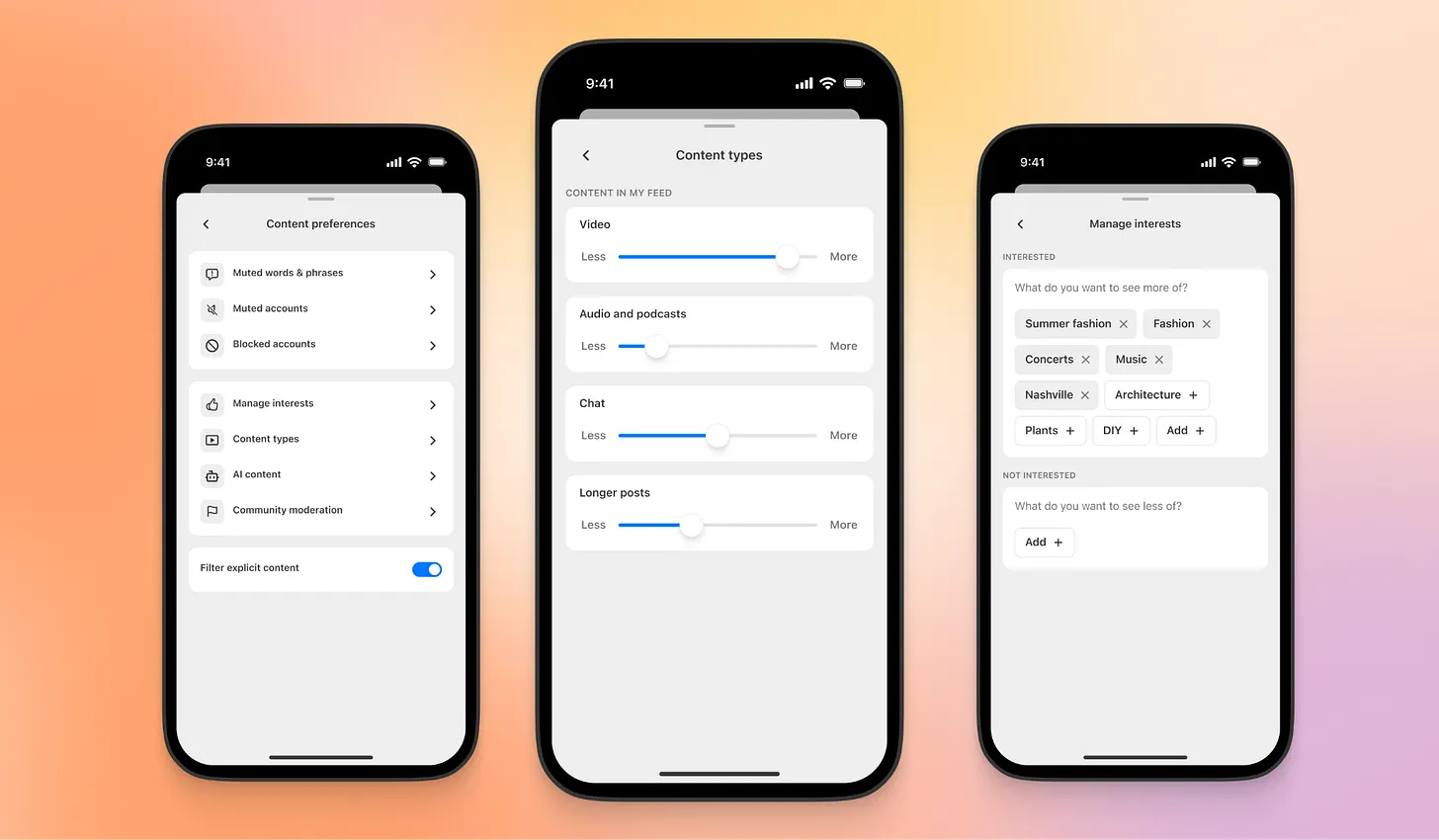
Users can turn video, audio, longform, and community posts up or down, mute keywords and phrases, fine-tune followed topics, and automatically label AI-generated material.
This dial system seemingly gives users control over the algorithm, while also of course correcting Substack as “anti social media” after it effectively became just another social media app.
The birth of the feed
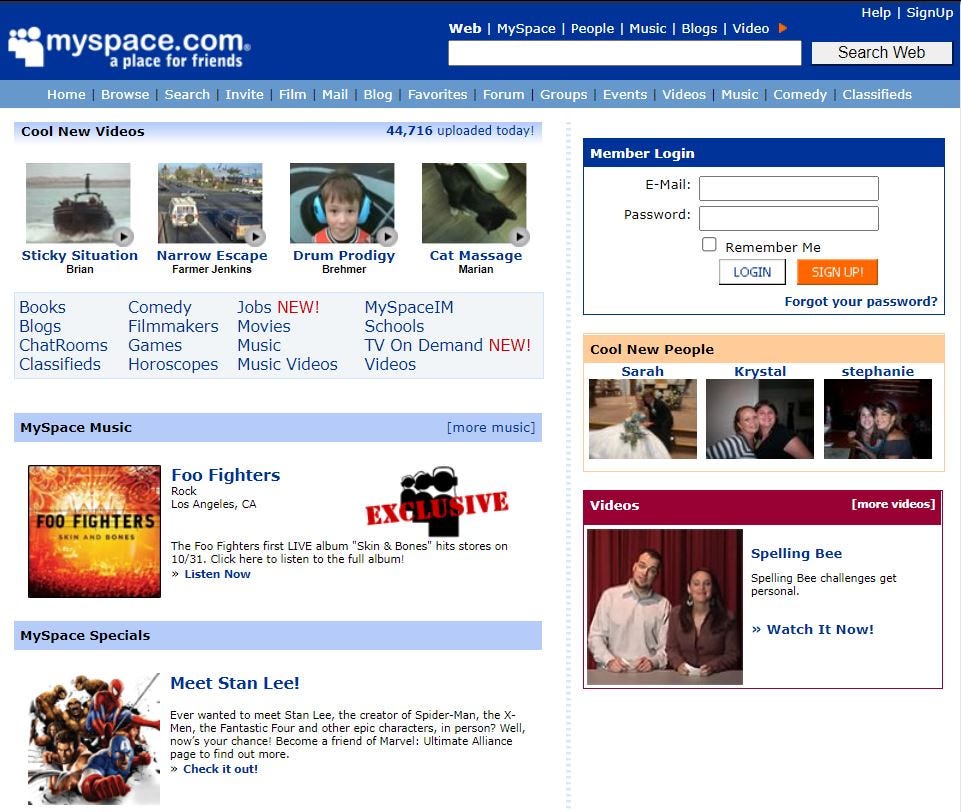
Before anyone called it a feed, MySpace let you build your own corner of the internet by hand. You picked your Top 8, wrote your own profile CSS, chose the song that autoplayed when someone landed on your page, and saw updates from the people you chose to add. Once you were caught up, you were done.
Infinite scroll removed that stopping point, and Aza Raskin, the designer most credited with it, has since disowned it. Instagram went further in 2016, swapping its chronological feed for an algorithmic one that kept people scrolling longer. TikTok’s For You page finished the job in 2018 by ranking content on watch behavior instead of who you follow, and every major platform copied it.
We covered that history here 👇

The return of Myspace
When Facebook, Instagram, and YouTube adopted the FYP model, it felt like we’d reached the singularity.
Then in August, MySpace owners Tim and Chris Vanderhook announced plans to relaunch the platform. Their last attempt, in 2013, cost $150 million and went nowhere. This one looked like nostalgia-bait at first, but a pitch built on customization and control landed right on top of real algorithm fatigue. 63% of Gen Z planned social media detoxes in 2024, and 47% of people have deleted a social app over the stress of using it.
LinkedIn, YouTube, and Facebook hand over the wheel
The announcement of the MySpace return ended up being a real pulse check of those 47% of people. Here’s what took place immediately after.
September 18th - LinkedIn announces a Network tab where you only see posts from people you are connected with, or follow.
September 23rd - YouTube announces Custom Feeds, where you can have multiple prompt-built homepage tabs.
October 14th - Substack announces its Content preference Dials, and Facebook announces “Your Algorithm” for Feed and Reels, with natural language prompts
Every one of these keeps the algorithmic feed as the default. Most people scroll whatever loads first, so the dial really exists for the users who care enough to turn it, but these features don’t hand over equal amounts of control.
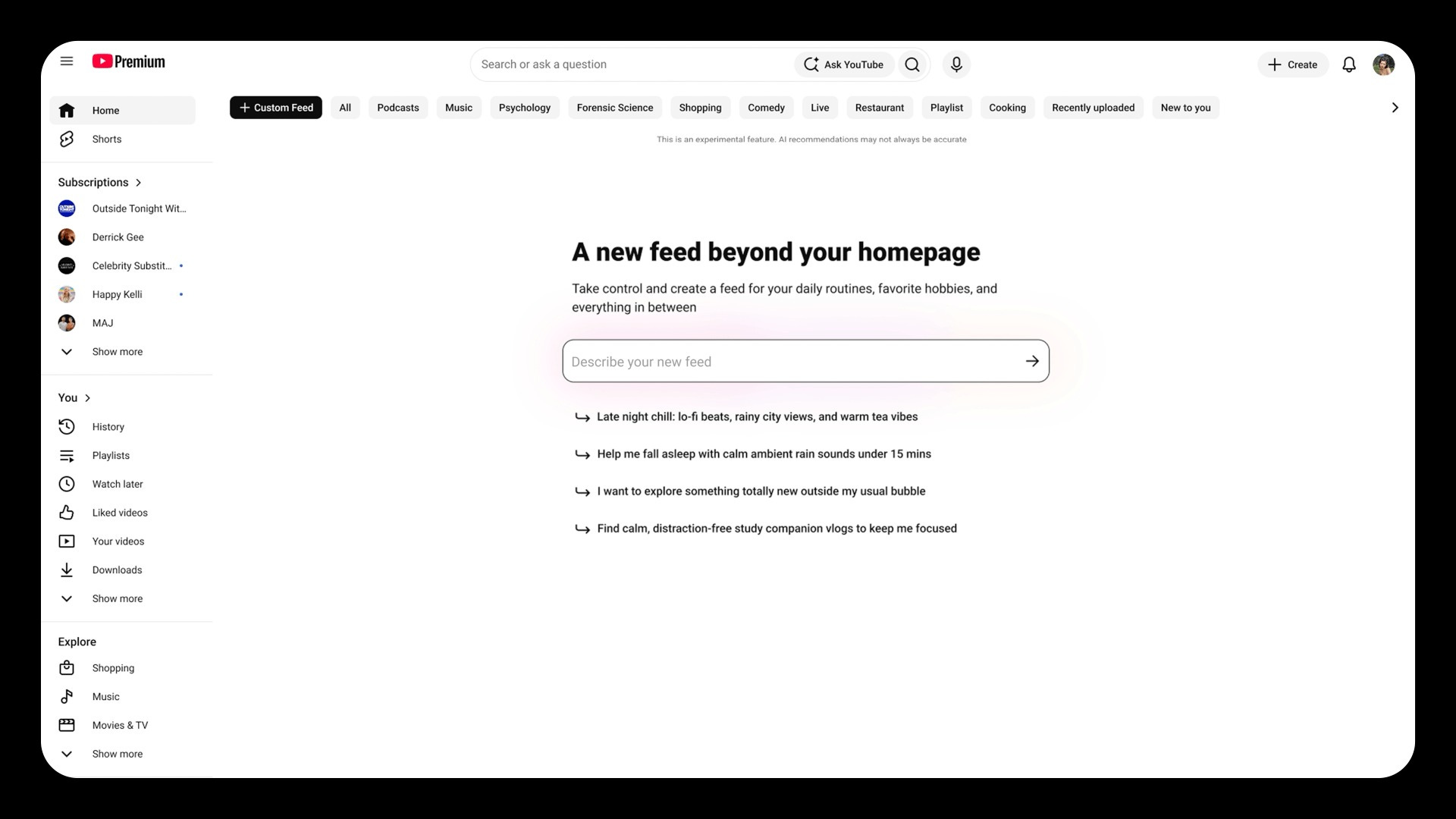
LinkedIn’s Network tab goes the furthest, taking the algorithm out of the room and showing you only the people you chose. Substack’s dials sit in the middle, letting you shape the mix while Substack still decides what fills it. YouTube’s Custom Feeds and Facebook’s Your Algorithm hand over the least, since both are the same algorithm with a text box attached, and that’s where the real trade lives.
The controls also feed the machine. On YouTube, anything you watch in a custom feed still lands in your watch history and shapes your main recommendations. Meta’s version is an algorithm you can talk to, and every prompt a user types is seen as a cleaner signal than a swipe
The music industry got here first. In March, Spotify launched Taste Profile, which shows listeners how Spotify reads their taste and lets them correct it, following Prompted Playlist, which builds playlists from a typed request. Like YouTube’s version, every correction becomes another lesson for the algorithm.
Marketing to an un-marketable feed
Marketers have been taking notes too.
For better or worse, marketers have figured out the algorithm. Brands that know what they’re doing can game an FYP for a ton of reach and engagement. That’s also why social media started to feel like a collective ad rather than a social space, and why platforms are now rolling out these controls.
But a customizable feed is a feed that can say no. Users can turn down video, mute the trend your brand just jumped on, or flip a switch and only see people they know. The users most likely to touch those dials are also the high-intent ones brands want most.
It was self-inflicted, but brands now have to strategize twice if they want to stay competitive, and reach those high intent users.
The first is more of the same: mapping trends, using social listening, and being a reactive participant in the mainstream.
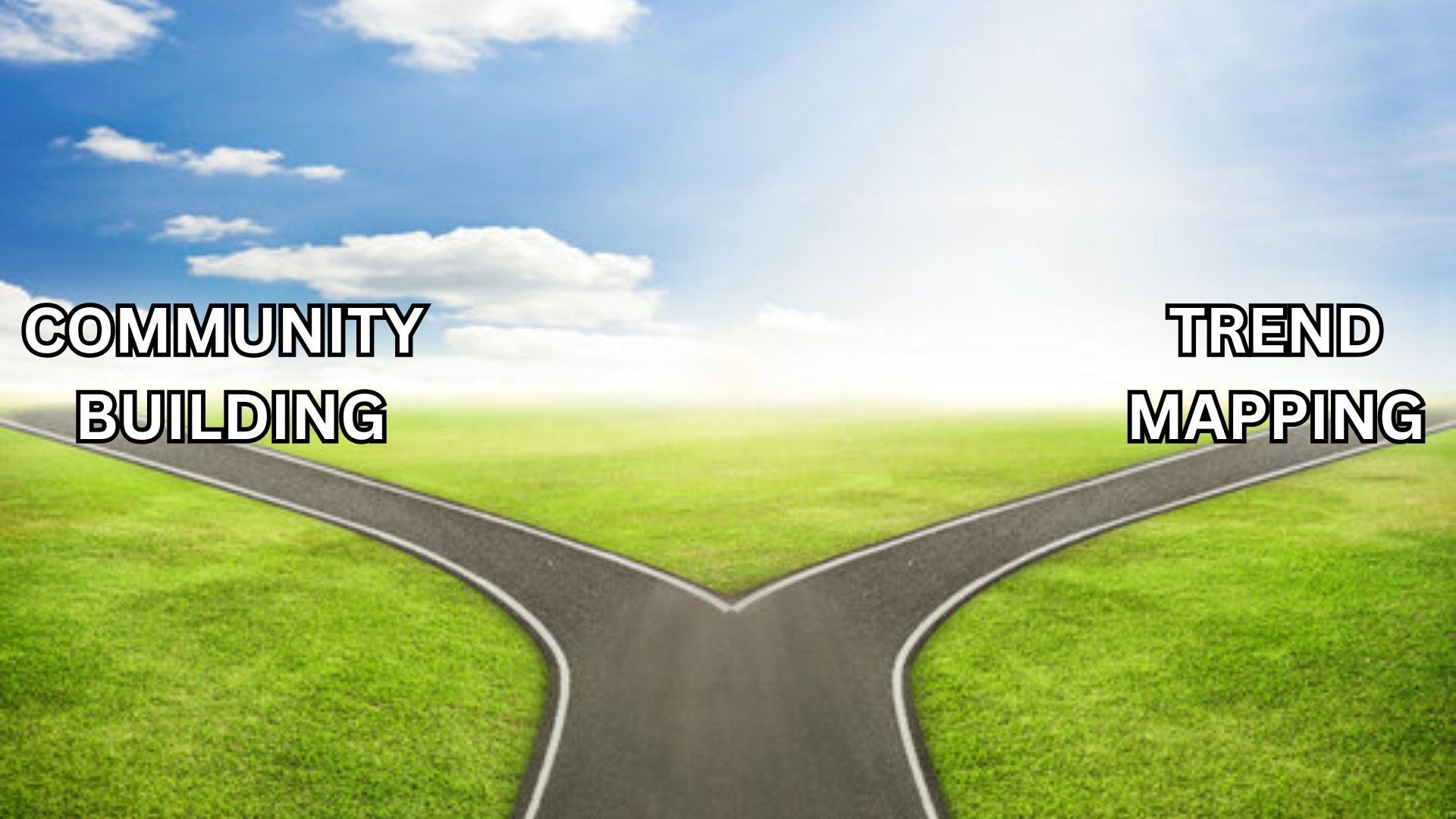
The second is community building: groups, broadcast channels, Discord servers, newsletters, comment sections, the places where an audience opts in and keeps opting in.
The audience is already moving there as 53% of US Gen Zers say they primarily use social media for messaging over public posting, Instagram now treats DM shares as its strongest engagement signal, and Discord has 259 million monthly users with no For You page at all.
Giving a reason to opt in
The brands that hold up in the customizable feeds are going to be the ones that put in the effort.
That means building something worth coming back to, whether it’s a newsletter people subscribe to, a broadcast channel people they turn on notifications for, or a micro series people want to tune in to.
Substack’s own model shows how it works. The feed handles discovery, and the subscription is where the value lives. Its app drove nearly 800,000 paid subscriptions in the past six months, and more than half came straight from the Notes feed.
This also changes what’s worth measuring. Impressions show the algorithm showed up, but follows, saves, sends, and subscriptions tell you a person did.
In closing
In practice, every post should instead ask themselves these questions.
Would someone choose this? If the algorithm never served it, would anyone follow the account on purpose?
Does it survive a mute? Content built on a trending keyword is the first thing a dial filters out.
Would anyone send it to a friend? Instagram already treats sends per reach as its strongest engagement signal, and DMs are where the opt-in audience lives.
Posts that pass earn a place in the feed people build for themselves. Posts that don’t are renting space in the one the platform builds for them.
🚀 Ready to meet your NoGood partner?
Tell us where you are and where you want to be — and we’ll help get you there.
Every dial adjustment becoming another lesson for the algorithm reframes "user control" as a cleaner signal for the machine. Good post 👍🏼