


Hi NoGoodies,
Welcome to NoGood Insights, your bi-weekly pulse on all things growth. We break down successful brand campaigns, provide you with the best guides for all things growth marketing, and share emerging trends and insights to keep you ahead of the curve.
Here’s a quick TL;DR of what’s below:
Away turned its community into a writers’ room with their latest series, actuallyaway, letting real travel stories from its audience become the scripts
Bilt’s Roomies becomes the leading branded content series, winning two Webby Awards decided entirely by public vote
Hinge’s No Ordinary Love is three chapters in and just became an audiobook, showing that a format can shift mediums without losing its core
InStyle keeps The Intern going strong by rotating in new creators and celebrity cameos every season.
The Kumar Method x Ramp saga shows what happens when a “twist” starts feeling like clickbait.
Cava's Bowlmates proves a separate channel isn't a fix on its own if the show is just borrowing a trend.
Ready? Let’s get into it.
Brands are learning to entertainment first
For years, the branded content playbook was simple: post more, jump on trends, hope something sticks. That approach filled feeds, but it rarely built anything that lasted past the algorithm’s attention span.
Something’s shifted. The brands breaking through right now are building recurring shows with narrative arcs, with one question in mind: would someone actually watch this if they didn’t already care about the brand?
So many brands have tried their hand at a branded content series over the past year. Not all of them have landed. The ones that did share a few things in common, and the ones that flopped tend to share the same handful of mistakes.
Bilt set the bar first
Bilt built Roomies entirely in-house. The show follows a 25-year-old who moves from Ohio to New York and navigates roommates, rent, and the mess of young adulthood. It lives on its own account, separate from Bilt’s main page, so the show never has to fight a brand logo for attention.
That separation paid off. Roomies just won two People’s Voice Webby Awards for Best Writing and Best Series. Those wins are decided entirely by public vote. Season 2 premiered at Sundance in partnership with UTA. A fintech company built a show good enough for a film festival, and did it without ever shoving their brand logo in someone’s face.
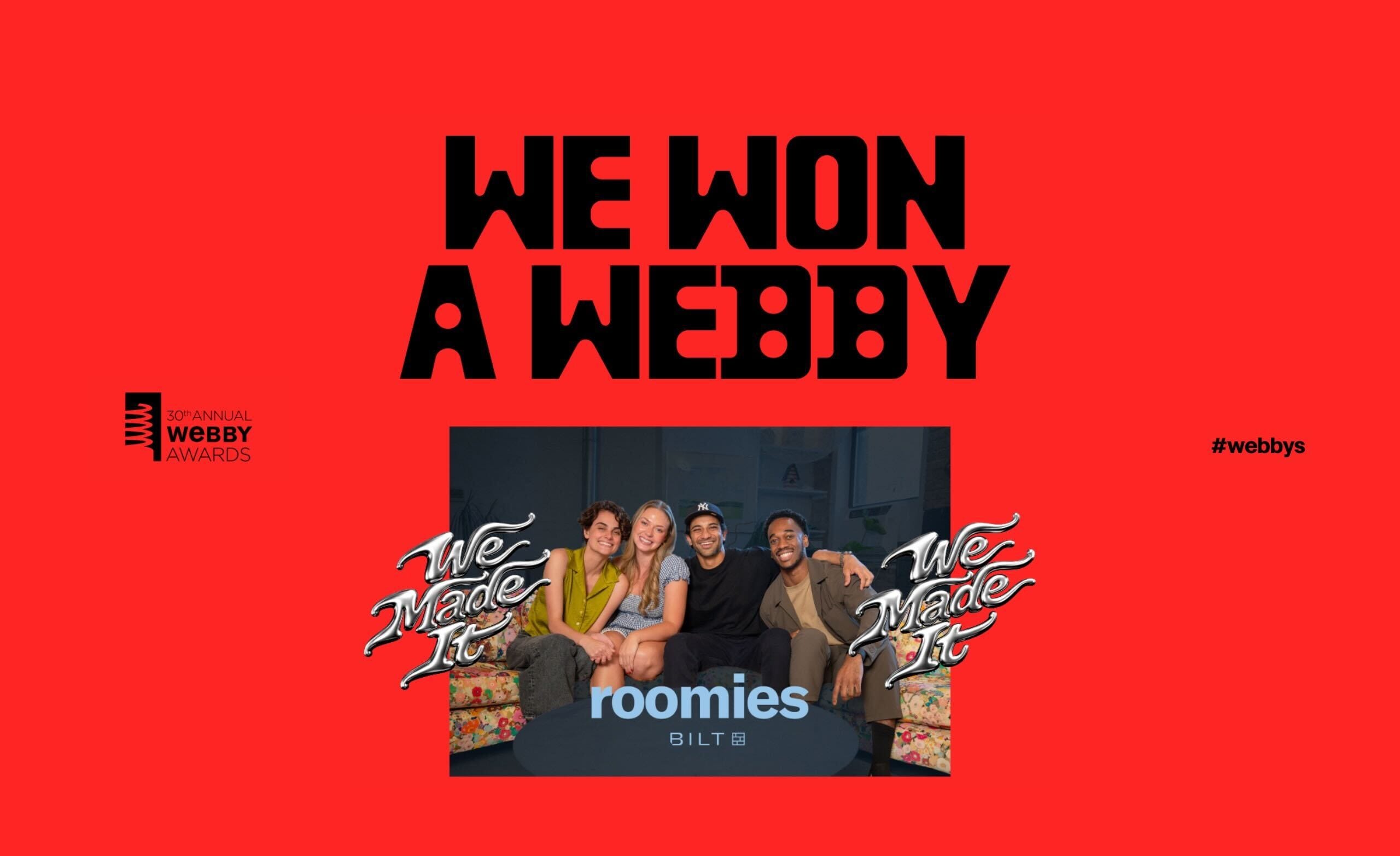
Bilt is the reason this whole category exists in its current form. Every brand attempting a content series now is, whether they'd admit it or not, working off the standard Roomies set: build a world first, keep the brand in the background, and hold the writing to the same bar as anything else in someone's feed.
Away is handing the mic to their audience
Away just launched actuallyaway, a channel built entirely around real travel stories submitted by its own audience. There’s a forum where people can share their own unexpected journeys, misadventures, and moments on the road, with the chance to have their story turned into a season.
This is the customer’s lens principle in its most literal form. Away is taking a real submission, i.e. two strangers who ended up stuck inside a train station overnight, and treating it like a TV show would: full scripts, cast members playing distinct characters, and a high-quality filming and editing style.
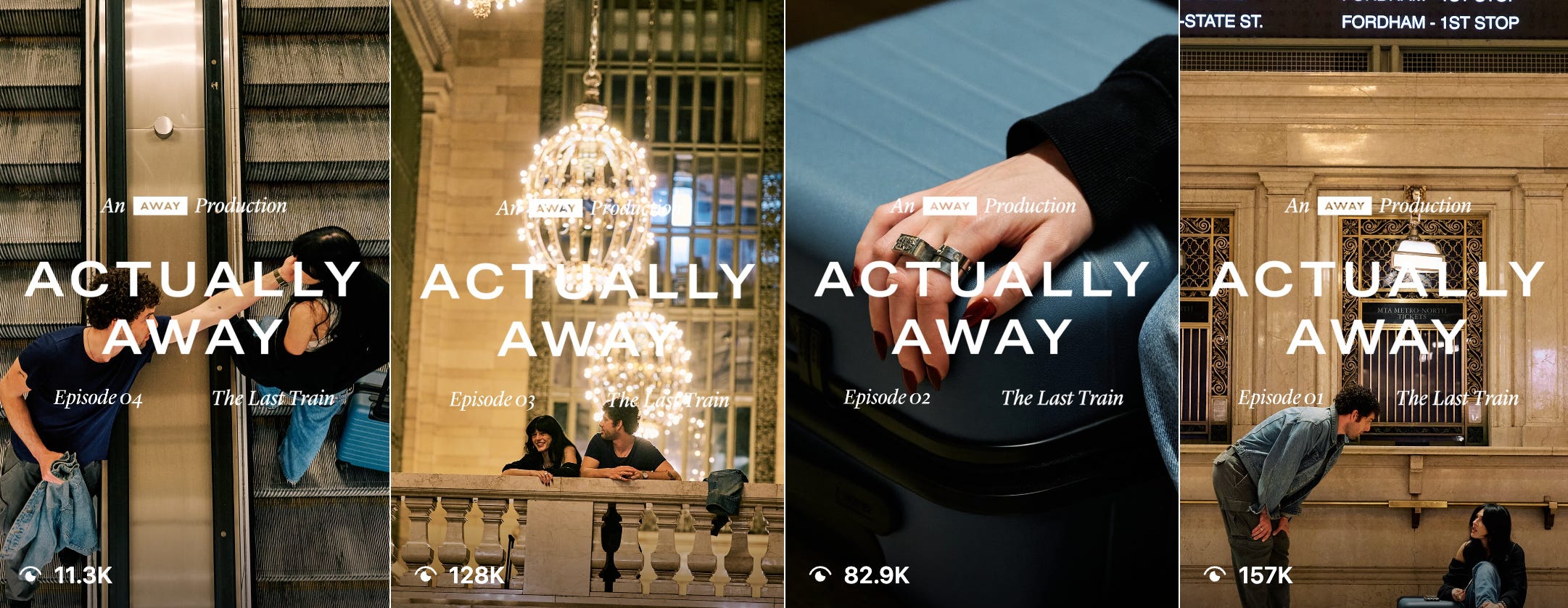
That level of production is what separates actuallyaway from any other UGC campaign. Real submissions are the source material but not the finished product. Away is turning someone’s memory into something that looks and feels like entertainment, which is exactly the kind of narrative commitment that keeps a series alive.
Hinge shows a series can outlive its format
Hinge just launched the third installment of No Ordinary Love, and each year makes it clearer this is a literary universe. Over the past three years, Hinge has partnered with sixteen contemporary authors to build three anthologies, each built around real couples who met on the app and each focused on a different stage of falling for someone.
The 2024 anthology sat with the icks and the pressure for perfection that show up in early dating. 2025 moved inward, exploring the excitement and self-doubt that come before someone admits how they feel, told through alternating perspectives from each half of the couple. This year centers on the early conversations themselves, the ones that happen before either person knows if it’s safe to be honest yet.
That progression is what makes the format hold up. Hinge uses the same real-couple foundation to examine a new part of the relationship each year, then finds the medium that fits that theme. This year, that meant a full audiobook narrated by the same authors who wrote the stories, available on platforms like Spotify, Apple Audiobooks, YouTube, and Substack.
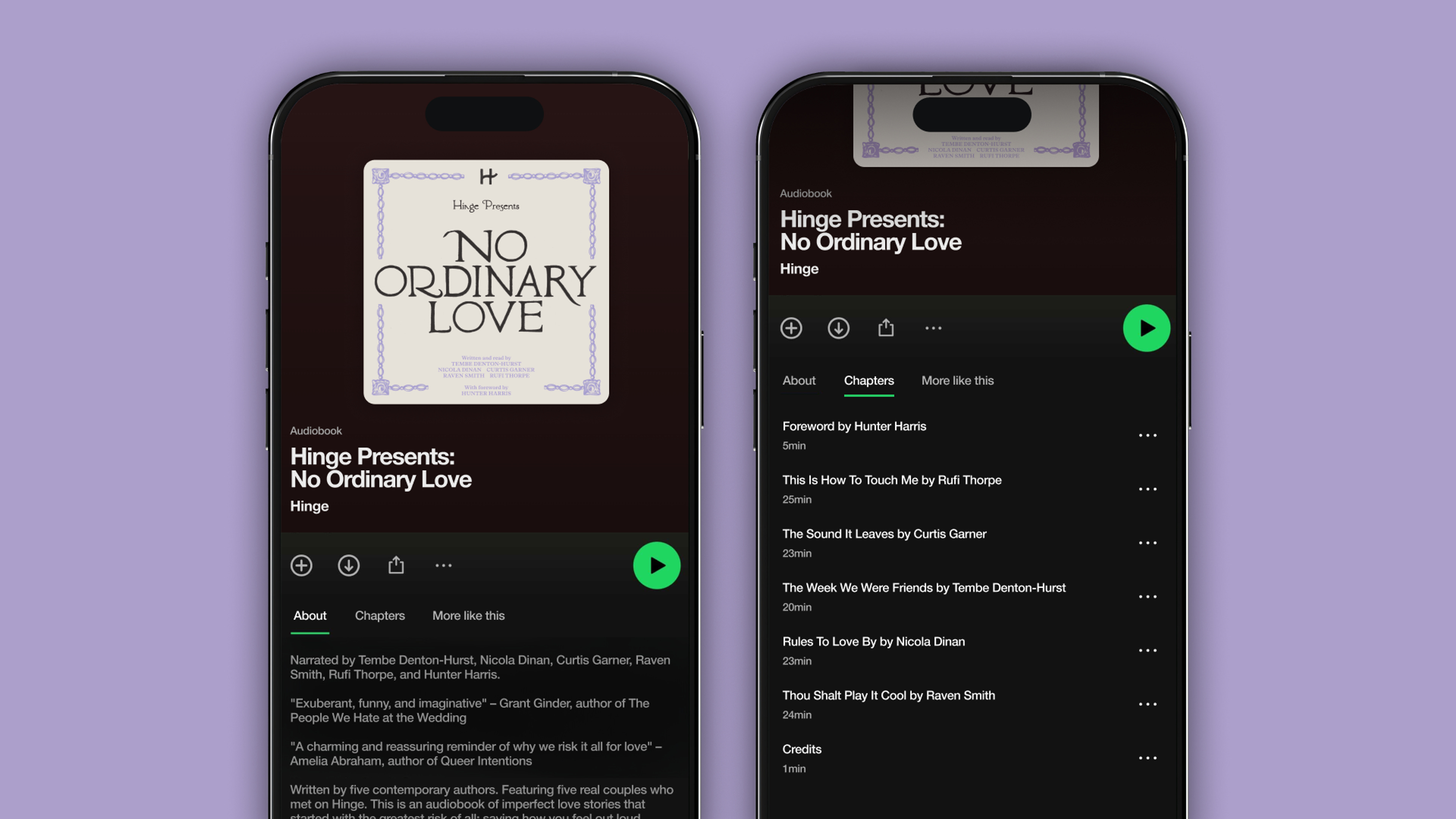
Hinge even did its own research and found that Gen Z’s biggest barriers to connection are the fear of being “too much,” the fear of rejection, and not knowing how to build intimacy in the first place. The purpose of creating No Ordinary Love was to push back against a dating culture that rewards playing it cool, giving daters a version of themselves who says the truth instead of holding back.
That’s branded storytelling working at full capacity: real customers as the source material, authors as the craft layer, data guiding the format, and a message specific enough to a real emotional problem that it never once needs to mention the app to make its point.
InStyle proves a format can keep reinventing itself
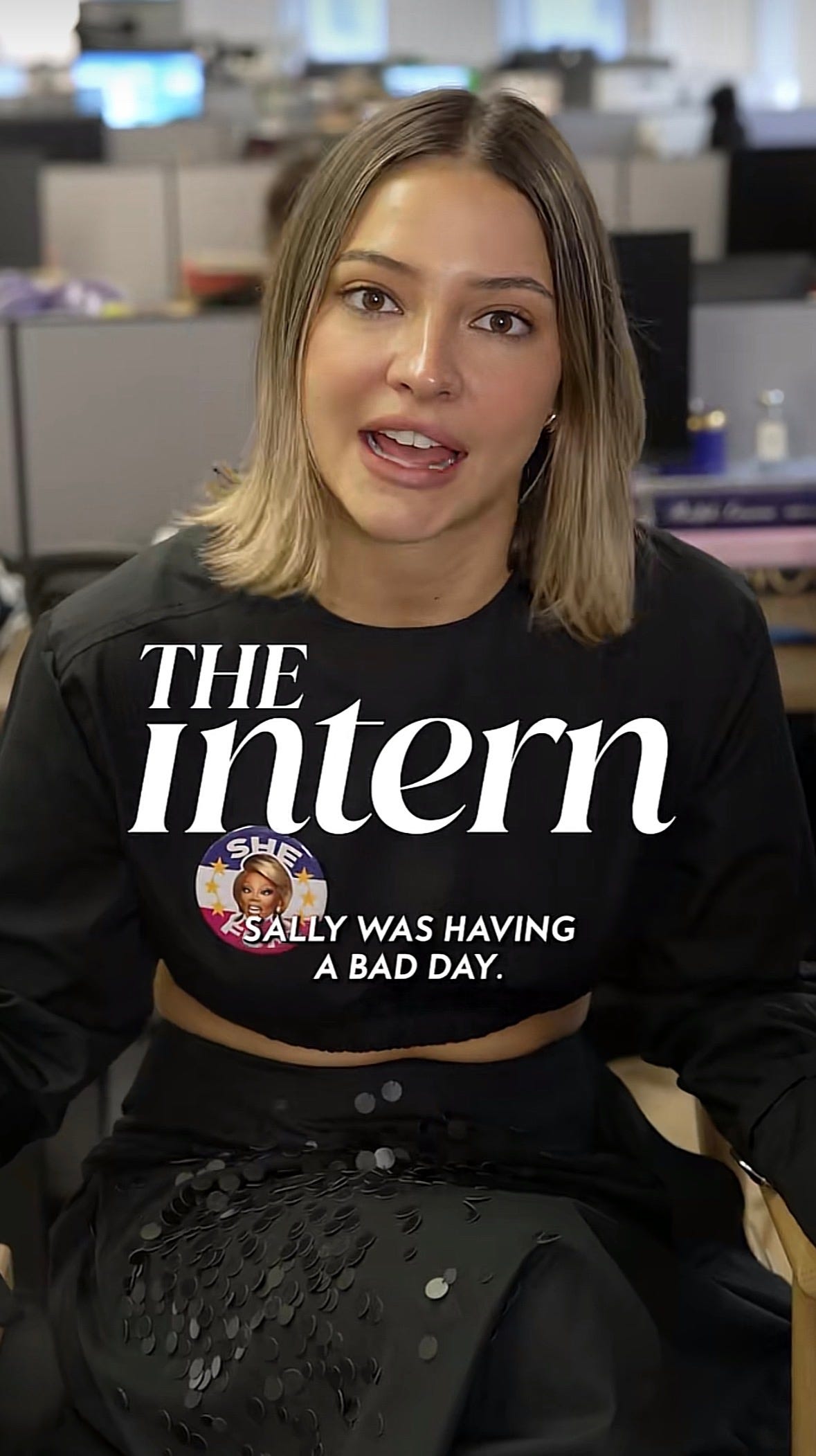
InStyle casts actual staff members alongside creators and influencers playing heightened versions of themselves, in a series called The Intern and the roster changes almost every season. Season 3’s premiere alone hit 3 million views in 24 hours, with 99% of those views coming from people who didn’t already follow InStyle.
The format hasn’t changed much since season one, but what keeps it from feeling repetitive is the casting. New creators bring their own built-in audiences into InStyle’s world every season, and occasional celebrity cameos, with season 9 currently spotlighting actress Madelyn Cline from the Netflix TV show Outer Banks, which just aired season 5. These cameos give longtime viewers a reason to keep tuning in beyond the regular cast.
The Kumar Method x Ramp shows what happens when the twist breaks trust
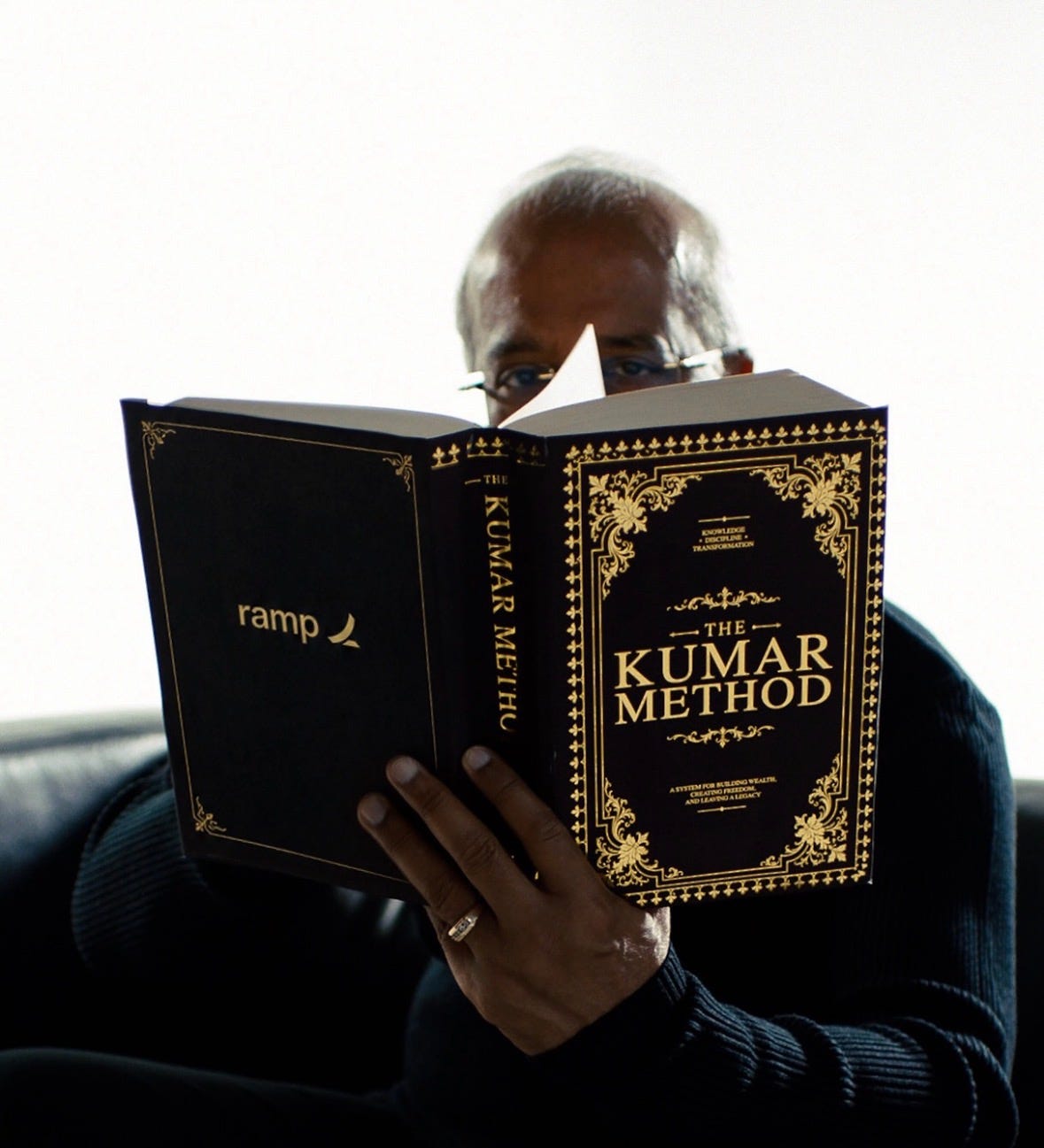
The Kumar Method started as a simple, well-executed bit: a retired accountant promising to become the biggest accounting influencer in the world all while auramaxxing. And it worked. The account went from zero to a million followers in five days.
Then the story took a turn that’s still murky. Posts said Kumar had been killed off. A mysterious group called the Council accused him of misleading his followers. Kumar eventually came back in a co-authored post with Ramp, which by then had become his verified content partner, pointing followers toward a Ramp-hosted finance guide. Whether Ramp was involved in that arc from the start is still unclear. The moment a story looks like it exists to serve a sponsor instead of the story, the goodwill and trust built up over months can churn fast.
Cava’s Bowlmates borrowed a trend instead of building on its own
Bowlmates launched as a Instagram dating series where two contestants build each other a Cava bowl while getting to know each other. It lived on its own account, separate from Cava’s main page, and the first two episodes pulled in over 100k views.
The instinct to give the show its own channel was right, but the instinct behind the format itself is where it gets shaky. Cava’s team has said openly that the series came out of watching other creators run dating-show formats and deciding to build their own version. That’s a different starting point than Away’s forum full of real travel stories, or Bilt’s decision to build a world around what it actually means to rent. Bowlmates isn’t extending anything specific to eating at Cava. They just happened to use a bowl as a prop.
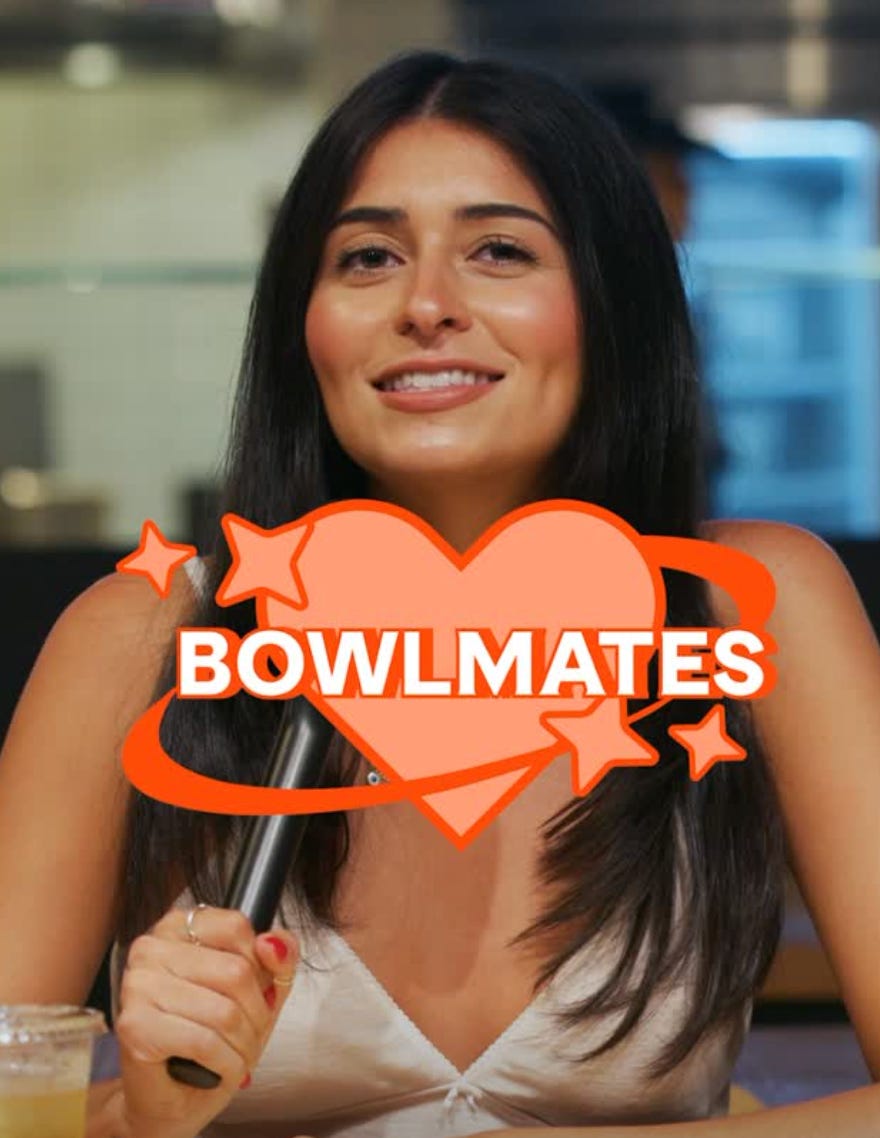
That gap shows up in the outcome. The series hasn’t posted since February, which is its own separate problem, but the deeper issue is that the format never had a reason to exist beyond “this kind of show is working for other people right now.”
So what separates branded content series from the ones that last?
The story has to come from something real. Roomies, actuallyaway, and No Ordinary Love all pull from customer stories.
A separate channel only works if there’s a reason to keep watching. Away, Bilt, and Cava all made the same structural choice, giving the series its own account away from the brand’s main page to separate narratives and voices.
Production quality signals commitment. actuallyaway and Roomies both look and feel like TV level production shows. It tells the audience the brand is serious enough about the story to treat it like one.
Where this leaves brands starting a series today
If there's one thing worth carrying into your next series, build it around something true to your customer and treat production like a real show. Posting volume never made anyone wait for episode two. Write a story actually worth returning to.
🚀 Ready to meet your NoGood partner?
Tell us where you are and where you want to be — and we’ll help get you there.