
To meme, or not to meme. That is the question that brands and tech companies need to ask themselves in 2026, where beating every other company to the next viral moment has become a system that feels like clockwork. In actuality, that system is built on a shrinking grey area that has landed many brands in copyright court.
In the least smooth writing transition of my life, let’s talk about a raccoon with a condensed spine. His name is Jimothy the Raccoon, and he has become the most recent example of a viral moment being picked up by brands. He even got used by the official White House Twitter.
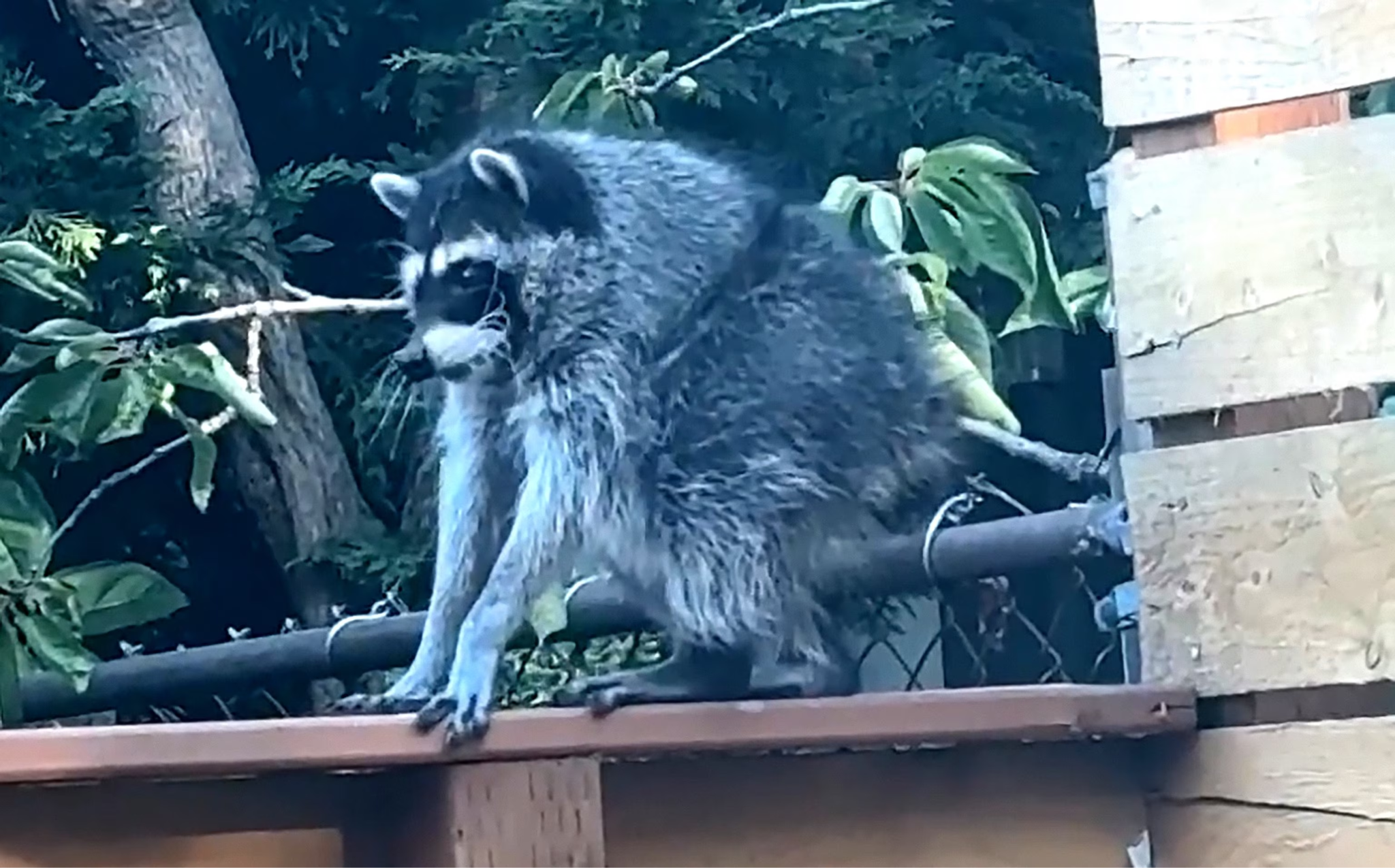
The joke is simple enough: look at this cute, little, funny-looking raccoon. It’s a moment that is harmless and unique, and it works well for virality because it’s a rare, niche, and inoffensive news story in an otherwise tired and grim news cycle. Brands like Jimmy Johns and Applebees were early adopters of Jimothy, and within a week, Jimothy could be found on most brands’ social platforms.
Another recent example is the Empire State Building stunt from June 2026, where two daredevils climbed to the very top and waved a flag saying, “When the power of love beats the love of power, the world knows peace.” Every brand on earth posted some variation of it, with the flag serving as an ad for whatever they felt like promoting that day.
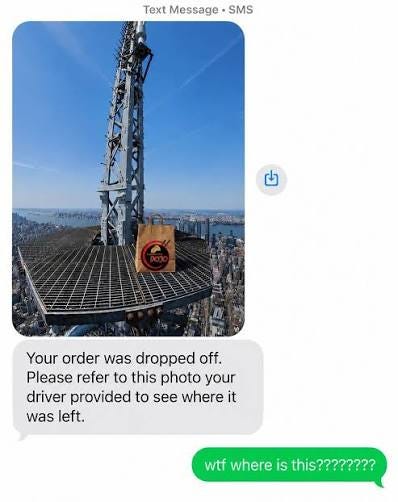
Dayna ⚡ Castillo of 🦀 Anonymous Crab 🦀 laid out in their article “brands have a participation problem” that the race for brands like Petco and DoorDash to make the funniest iteration of the meme eclipsed what the moment meant to do. If you read “When the power of love beats the love of power, the world knows peace,” and then look at your phone to see a billion-dollar company superimpose their logo on top of the quote, you can’t help but be riddled with irony.
Legal Mumbo Jumbo
In those two instances, nobody got hurt. Neither the daredevils nor Jimothy decided to copyright their virality in any sort of way, so these moments fell under “fair use” for brands to jump into.
In the United States, fair use is a legal doctrine that permits the unlicensed use of copyright-protected works in certain circumstances, in the name of protecting freedom of expression. Those “certain circumstances” are the caveat. As Art and Media Law puts it, a meme’s transformative, often non-commercial nature can favor fair use, but that’s not a blanket rule, and every case is different. Substantially incorporating copyrighted elements of another work, especially in a way that could hurt the original’s market value, can tip a meme into infringement instead.
Despite that warning, brands that absolutely have commercial objectives and intentions will say “whatever” and post a meme with copyrighted material that could constitute infringement. The reason is cultural value: companies tend to view memes that use their copyrighted material as free advertising, and they’re hesitant to police it because doing so would create negative PR and probably fuel even more memes in the short term.
The Brands Get Burned
It’s usually the bigger brands with copyrighted IPs that will “let it go” and let the memes meme so long as it’s not creating an issue. “May the 4th” is a good example of that, as brands routinely post some company tie-in with Star Wars, but Disney is never seen knocking at their door with an open hand waiting for their piece.
When an individual willingly or unwillingly becomes the subject of a viral meme is when things often get tricky, as more often than not you’ll see those individuals copyright or trademark their own meme in order to take control of any money that comes from it, as well as try to control the meme itself.
In 2019 at the Golden Globes, model Kelleth Cuthbert was spotted in the background of countless photos holding a tray of Fiji Waters intended for celebrities walking the red carpet. The moment went viral immediately, and Cuthbert would go on to be known as the “Fiji Water Girl.”
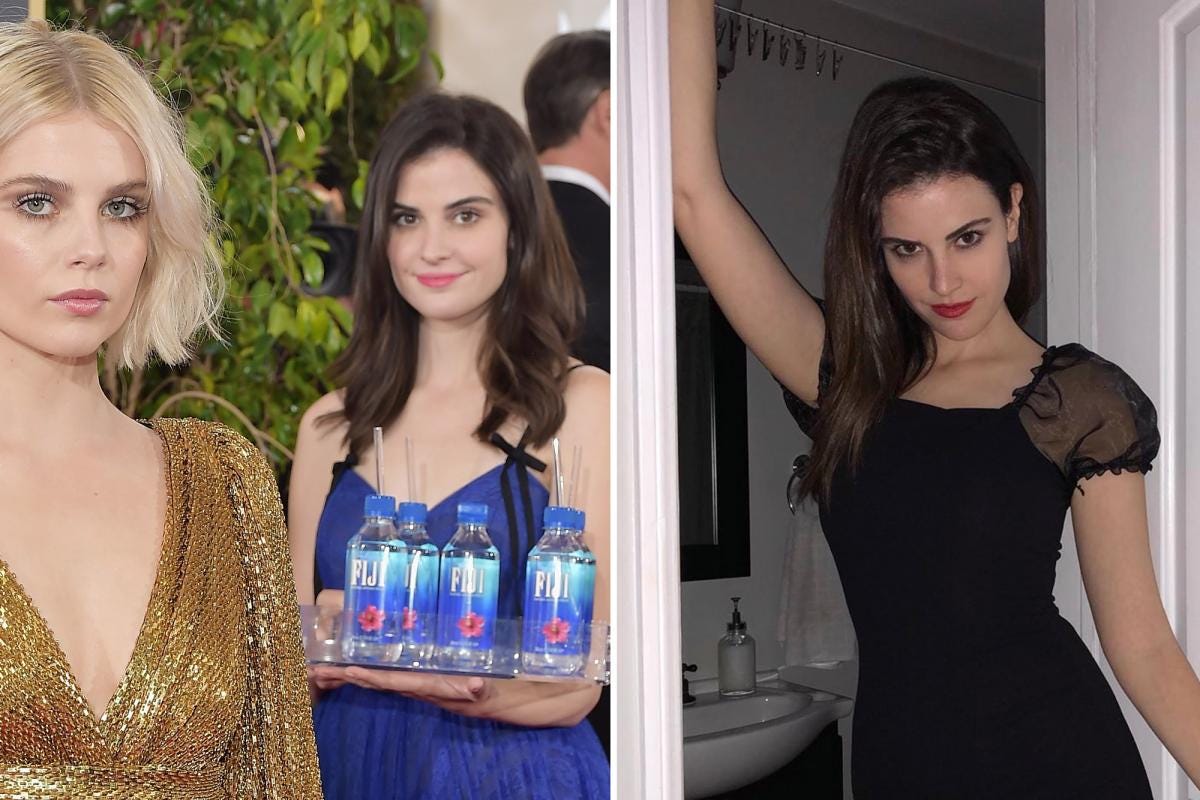
As most brands would, Fiji jumped at the publicity and made her the face of a national marketing campaign, albeit without her permission or sign-off. The result was a lawsuit from Cuthbert claiming Fiji used her likeness without her consent. Several countersuits and rounds of litigation later, the suit was eventually settled.
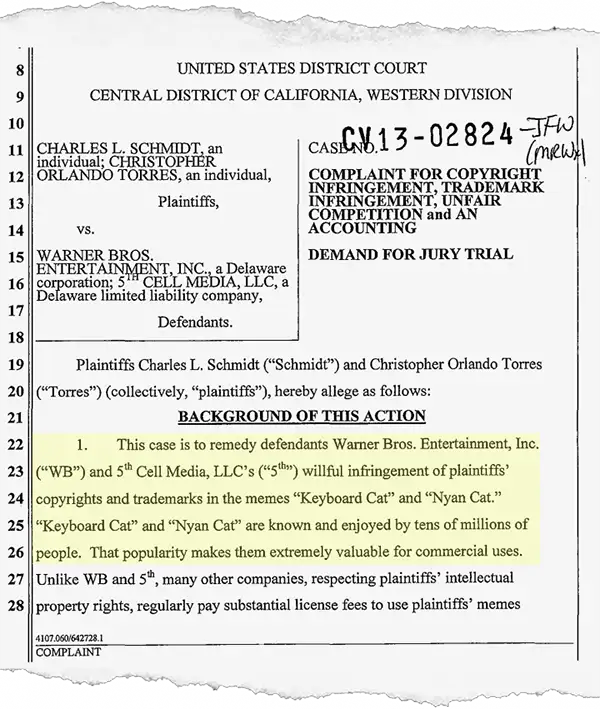
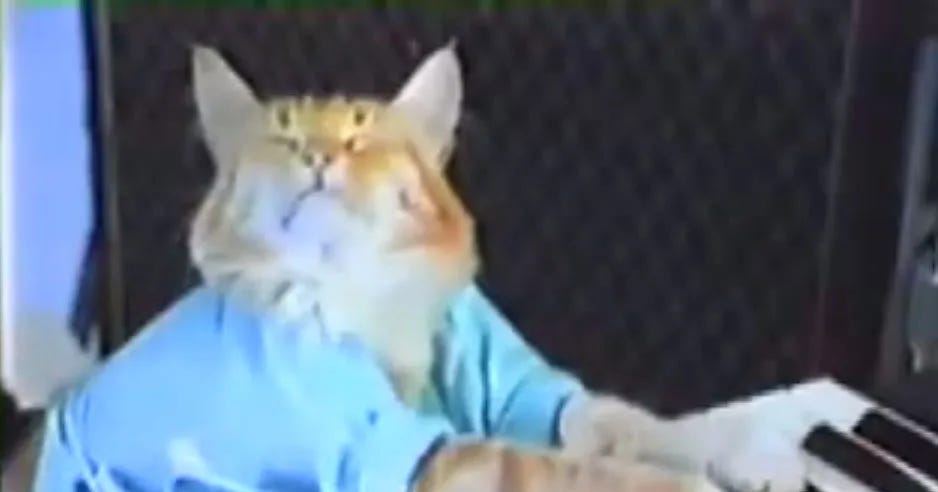
In 2013, the creators of Nyan Cat and Keyboard Cat woke up to find that their viral memes had been used in Scribblenauts, a video game published by Warner Bros. and 5th Cell Media. The creators filed suit citing copyright infringement, which resulted in a settlement out of court and Warner Bros. becoming an official licensor.
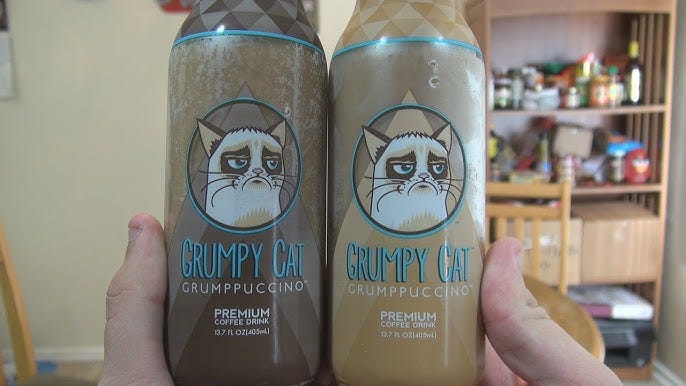
Most notably, the beloved Grumpy Cat had already been turned into a licensed coffee beverage in 2018 called “Grumpy Cat Grumppuccino,” but Grenade Beverage didn’t stop there, putting her image on other products the original licensing deal never covered. By that point, Grumpy Cat had transcended being just a meme into a full-blown brand, with trademarks for the IP well established. This resulted in a legal battle between the two parties that ultimately ended with Grumpy Cat’s owners being awarded $710,000, and it’s a good reminder that even having a license doesn’t mean a brand can run wild with it.
These legal actions from meme lords have led many companies to tread more lightly in the open waters of the internet, but plenty have just found themselves skirting around potential infringement by leaning on the “fair use” argument. In response, people are now starting to stop the memes before they can even happen.
The WNBA Says No to Memes
In June 2026, WNBA star Sophie Cunningham went viral for a pointing gesture she made toward Phoenix Mercury veteran DeWanna Bonner. The moment became instant meme potential, earning reposts from the likes of the White House. But the WNBA had already been playing chess while meme makers were still bringing out their checkers board.
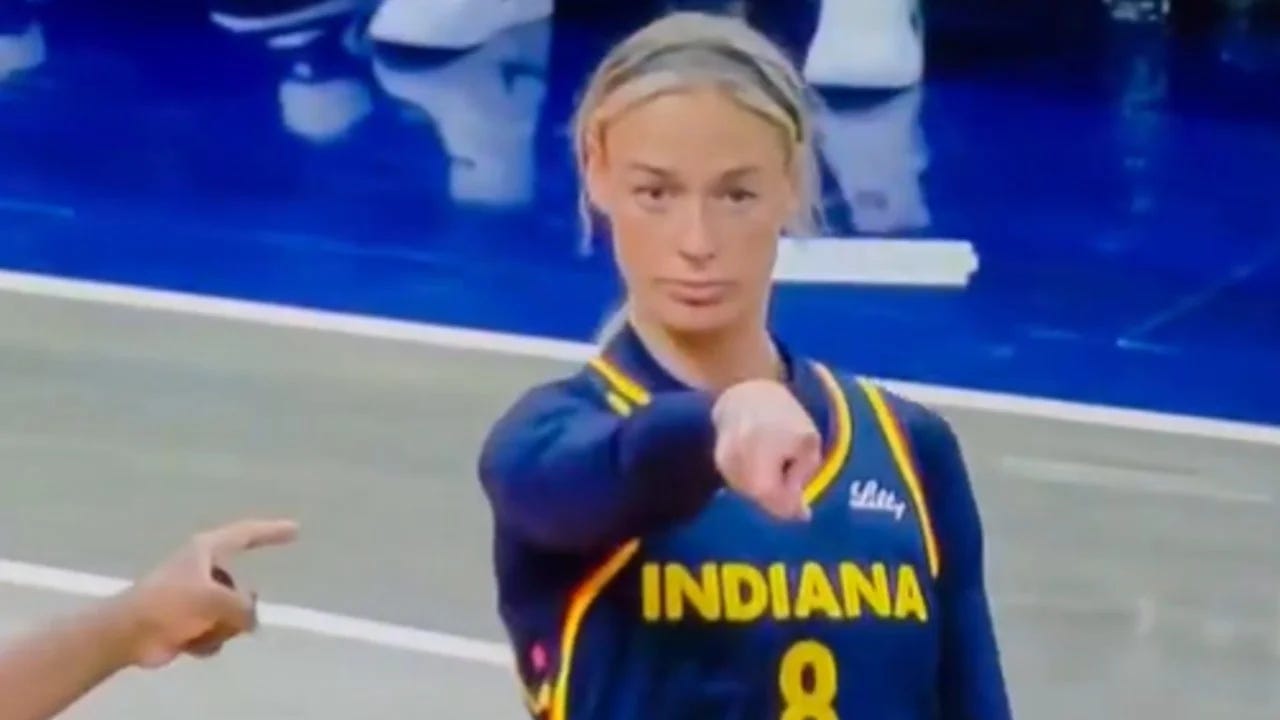
As confirmed by Complex, the player’s union prohibits its licensees from producing officially licensed products centered on confrontation-based moments between players, a policy that applies to companies including 2K, BreakingT, New Era, Lids, Panini, and other WNBPA partners. The union does permit use of the moment by Cunningham herself, since she has autonomy over her own image and likeness so long as it doesn’t include any WNBA branding.
That move to put legal guardrails up before a meme even happens is worth taking note of, since it only takes one entity prohibiting brands from cashing in on a moment before everyone else starts doing the same. That effect could potentially have a huge impact on how brands market themselves, as well as on the ever-growing meme economy.
The Reality of the Meme Economy
So why do brands keep chasing this stuff despite the legal risk? Because the payoff is enormous.
People like memes. When brands post memes, people like the brand. When someone sees enough memes from a brand, they eventually trust it enough to maybe even buy something. It sounds simple, but that’s mainly because it is.
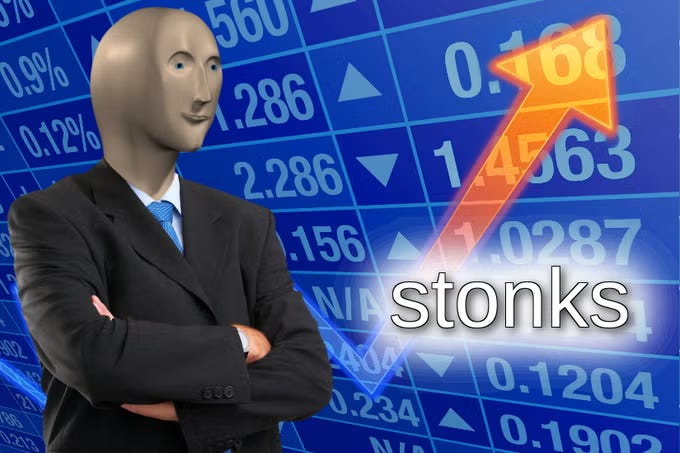
A study published in the peer-reviewed journal Psychology of Popular Media found that meme viewing during COVID was tied to stronger positive emotions and better coping, functioning as both a coping mechanism and a source of humor. Furthermore, in Forbes’s article “3 Things The Memes You Share Say About You, By A Psychologist,” it becomes evident that memes go far beyond being a simple joke, functioning instead as stress relief or shared experience, which often results in memes being shared en masse across Instagram, TikTok, X, and Facebook.
Brands ran with this during COVID because of its prevalence and resonance with users, but it never ended up stopping. Meme marketing instead grew to become the norm, and in the years since we’ve seen meme marketing campaigns like Duolingo’s become the new model.
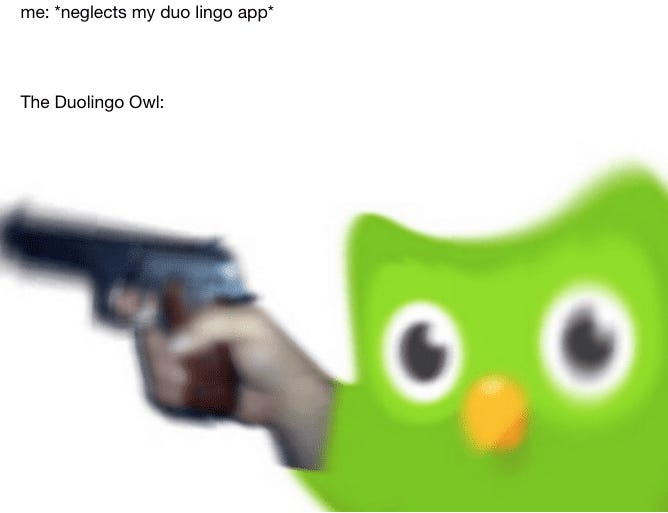
As of 2026 it seems like that model has waned, but the memes are still there, and they’re still being made by brands. The question is whether the grey area will stay grey, and how “fair” fair use will be once entities like the WNBA start policing memes before they even happen.
After all, the meme lords that built a million-dollar economy on short, digestible photos are just screenagers that got knighted. Whether they can protect the castle has yet to be seen.