


What’s one thing Apple Music and Pepsi don’t have in common?
One was responsible for the most-watched half-time show, the other wasn’t.
Apple Music has been sponsoring the Super Bowl halftime show since 2023 after Pepsi ended a 10-year sponsorship deal.
But Apple Music has something Pepsi never had: real-time cultural intelligence.
They can see what 120M+ people are streaming in real time, which artists are trending, and which moments are going viral across different audiences.
Pepsi picked performers based on popularity and safe bets, whereas Apple Music picks based on data + cultural momentum.
This resulted in 4 of the top 5 most-watched Super Bowl halftime shows in history being Apple Music’s picks:
Bad Bunny: 135 million views
Kendrick Lamar: 133.5 million views
Michael Jackson: 133.4 million views (by Pepsi)
Usher: 123.4 million views
Rihanna: 121 million views


But Apple didn’t stop at the 15-minute performance – they turned the halftime show into an entire content ecosystem.
Ahead of this year’s Super Bowl halftime show, Apple Music users were able to listen to a variety of playlists from “Bad Bunny Essentials” to songs handpicked by the artist himself.
Apple Music Radio played songs inspired by Bad Bunny’s background days before the Super Bowl and hosted a “Halftime Show Press Conference” to interview Bad Bunny.


In person, fans can visit select Apple stores to hear the artist’s discography in Apple Spatial Audio, turning his music into an interactive experience.
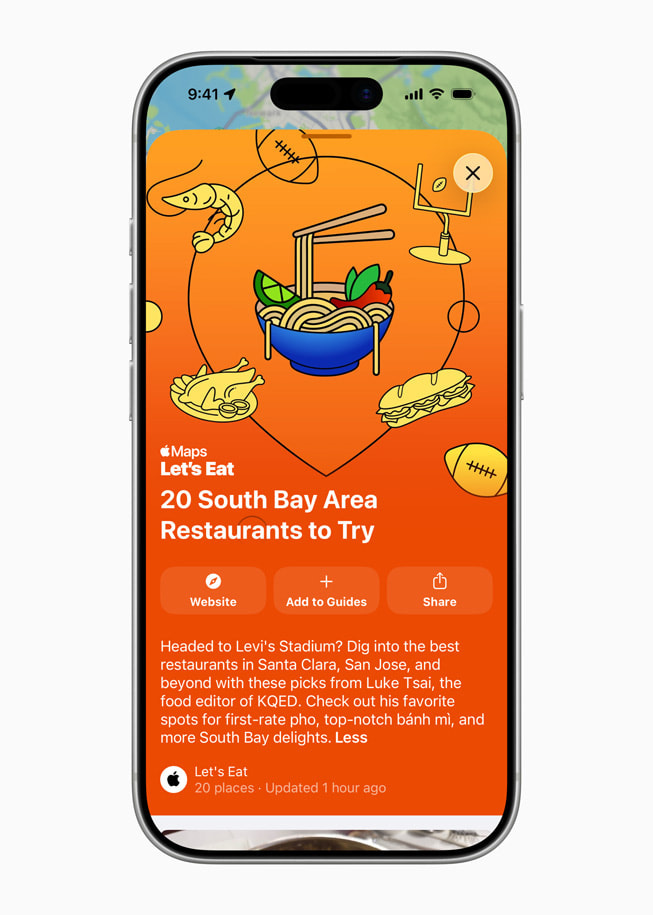
Even people who attend the Super Bowl can find local food spots using Apple Maps’ custom “Let’s Eat” guide.
According to Apple Music, Bad Bunny listens on Apple Music were up 7x right after the Super Bowl halftime show and “BAILE INoLVIDABLE” became a top 10 song in 9 U.S. cities.
By separating the halftime show from the game itself through their content ecosystem, they made it accessible to people who don’t care about football but love the performances.
And Apple Music’s access to real-time cultural data enables them to curate specific events and interactive moments to further push the halftime show.
That’s how a 15-minute TV moment becomes a global, on-demand event that lives beyond the stadium and beyond Super Bowl Sunday.
What are your thoughts on Apple Music’s Super Bowl strategy?