


Hi NoGoodies,
Welcome to NoGood Insights, your bi-weekly pulse on all things growth. We break down successful brand campaigns, provide you with the best guides for all things growth marketing, and share emerging trends and insights to keep you ahead of the curve.
Here's a quick TL;DR of what's below:
Substack rolled out an AI-detection tool built with Pangram, and the launch post pulled over 1,600 comments split roughly down the middle between relief and backlash.
Cloudflare confirmed bot and AI agent traffic now outpaces human traffic online, landing at roughly 57% to 43%.
TikTok, YouTube, Reddit, and Substack are each building their own version of AI guardrails, from visible labels to bot purges to detection scores.
Anthropic and OpenAI are answering the slop backlash by selling the opposite of slop: pop-up reading rooms, merch, and campaigns built around stepping away from a screen.
Ready? Let's get into it.
Proof of human
The AI industry spent years optimizing for volume, and now everyone downstream of that volume — publishers, platforms, and the AI companies themselves — are scrambling to prove a real person is still behind the words. Substack is scoring articles on AI footprints while TikTok, YouTube and Reddit are labeling and purging it.
Anthropic and OpenAI trying to brand their way out of the problem with coffee shops and merchandise. The tactics differ, but they’re all responding to the same shift: that the tools built to scale content have made the human element behind it a scarce resource.
Substack's answer to “claudefishing” just landed, and reactions are split
Substack CEO Chris Best announced last week, in a post titled “Against Claudefishing,” that the platform is rolling out an AI writing detection tool. The goal is transparency for a user base that’s grown exhausted by AI slop and that comes to Substack specifically for what Best calls “the essential ingredient of culture”: a human on the other end.
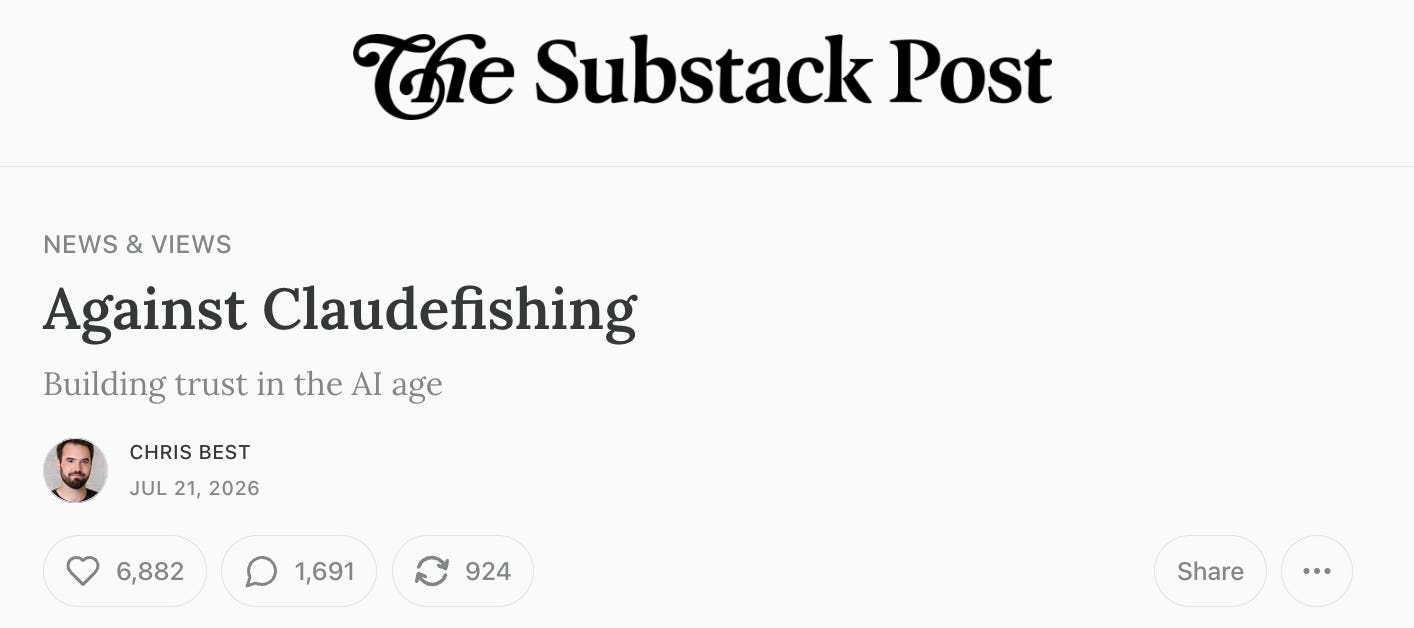
The tool scans any text over 100 words and returns an estimate of how much was written by hand versus generated with AI, visible only to whoever requests the scan. It measures whether AI touched the text; it says nothing about whether a person still shaped the argument or stood behind the final draft.

That gap became the flashpoint as Substack’s announcement post pulled in over 1,600 comments, and the response split hard down the middle. Plenty of users pushed back on the idea that a detection score can capture the judgment behind a piece, especially since so many of them use AI to streamline writing, speed up research, or wrangle scattered ideas into a coherent argument. Commenter, Monica Hebert, put it directly: “A detection score may tell you that a tool was involved. It cannot tell you who had the original thought, who shaped the argument, or who stands behind every word.” Another commenter named Frank Carrizo Zirit stated, “I’m neurodivergent and have lots of great ideas but sometimes struggle to get them straight. I use different tools as sparring partners to get where I want to go and say what I want to say.”
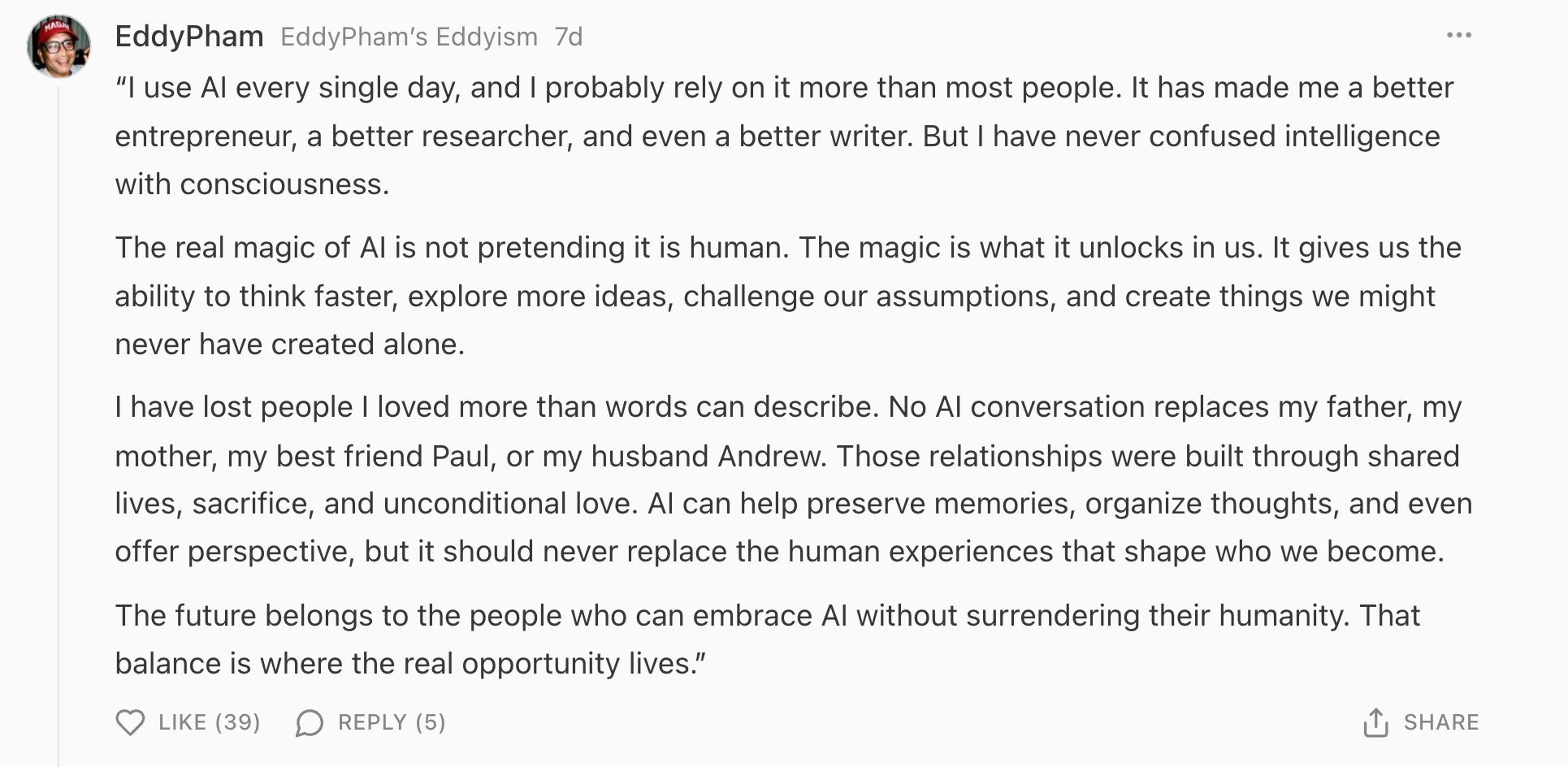
Support ran just as strong on the other side, with plenty of writers welcoming a tool that lets them stand apart in a feed increasingly clogged with AI slop. That instinct, the push to separate the human-made from the machine-made, isn’t unique to Substack. It’s showing up across the internet right now, and Substack just happened to be the platform loud enough to turn it into a comment-section brawl.
Slop fatigue: platforms are putting in the guardrails
The internet had a slop problem before most people noticed it. Ever since generative AI arrived, every social platform has become a breeding ground for AI slop that hardly bothers to pretend to be anything else. To make things worse, most of the accounts engaging with that slop, pushing it further into the algorithm, are bots and AI agents themselves. Cloudflare confirmed as much this year: bot and AI agent traffic online now outpaces human traffic, landing at roughly 57% to 43%.
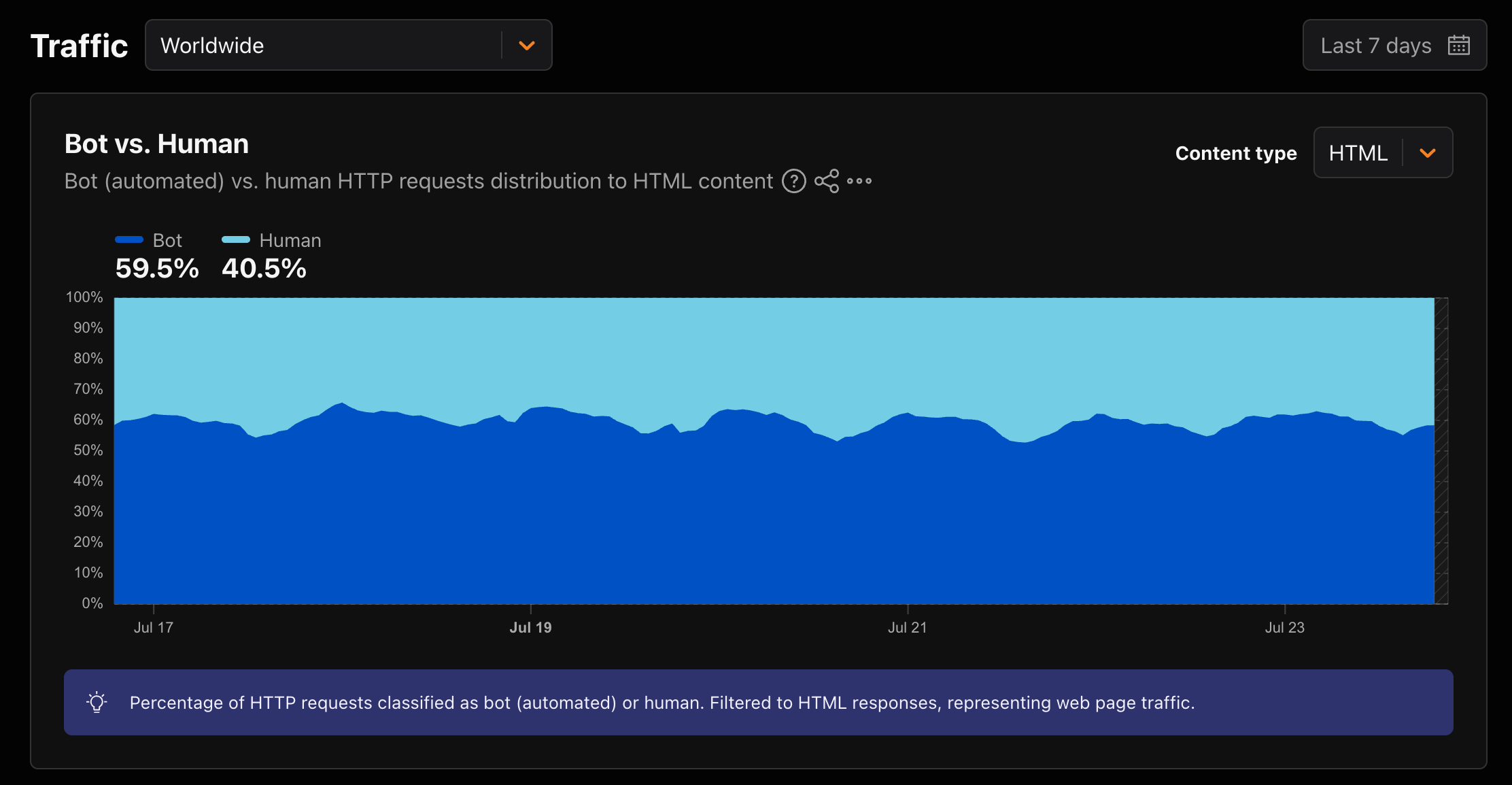
That imbalance is why platforms like TikTok, YouTube, Reddit, and now Substack are policing the use of AI, each fighting a different piece of the same war. TikTok requires visible labels on AI-generated video and audio that could pass for real, backed by content credentials that flag synthetic media even when a creator skips the disclosure themselves. YouTube leans on the honor system for labeling, asking creators to flip a toggle before upload rather than scanning for it afterward, but its monetization rules cut deeper, stripping ad revenue from mass-produced and repetitive AI content while leaving properly disclosed, original work eligible. Reddit has taken the hardest line of the group, purging roughly 100,000 bot accounts a day, tagging approved automation with a visible label, and routing suspicious accounts through human verification instead of an outright ban.
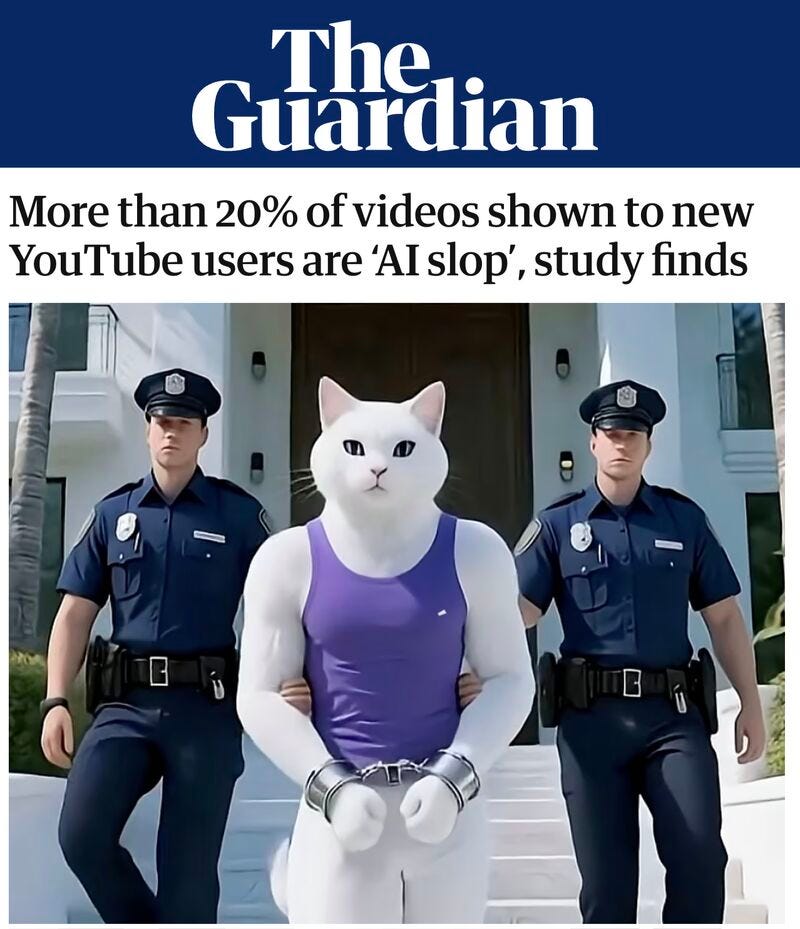
Every platform is drawing its own line between labeling machine output and purging the accounts built to produce it, and none of them agree on where that line belongs. Depending on who you ask, these moves are a win for users, but he slop fatigue driving them has also left tech and AI companies carrying a branding problem they still have to solve on their own terms.
AI companies respond by branding as human
The industry that built the machinery flooding feeds with slop is now trying to sell itself as the cure.

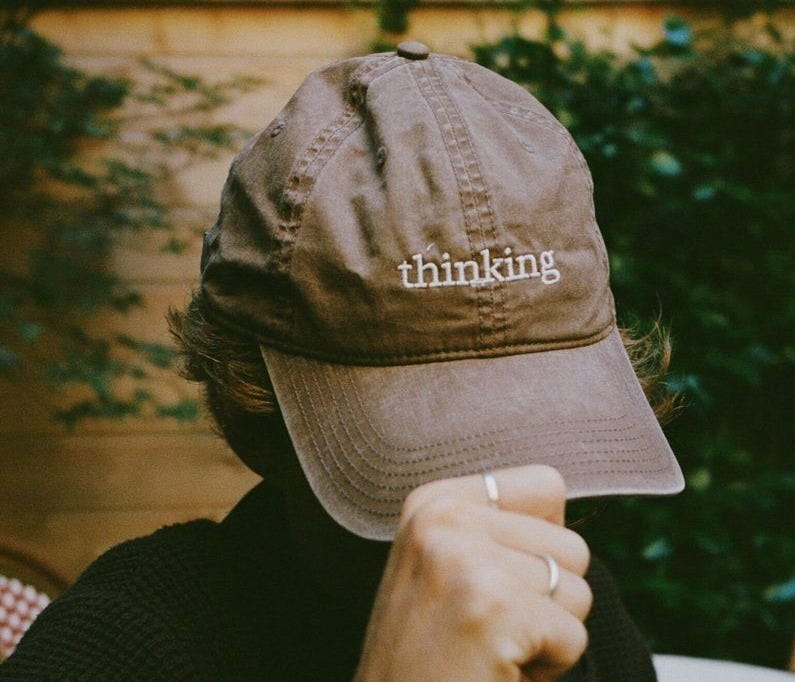
Anthropic set the tone first. It rented an old-school coffee shop in Manhattan for a week, filled it with paperbacks, coffee, and a pen station, and gave away caps embroidered with a single word: “thinking.” The pop-up carried the name “zero slop zone,” and the argument sat underneath the props rather than in any tagline, that Claude works best as a thinking partner rather than a replacement for one.
OpenAI made a similar bet with merchandise instead of a pop-up. Its first hardware launch, a coding-focused keyboard, arrived alongside a $70 basketball carrying the ChatGPT logo, part of a push called Pause. Play. Prompt. A company whose entire product lives on a screen is now selling a toy meant to pull people away from one.
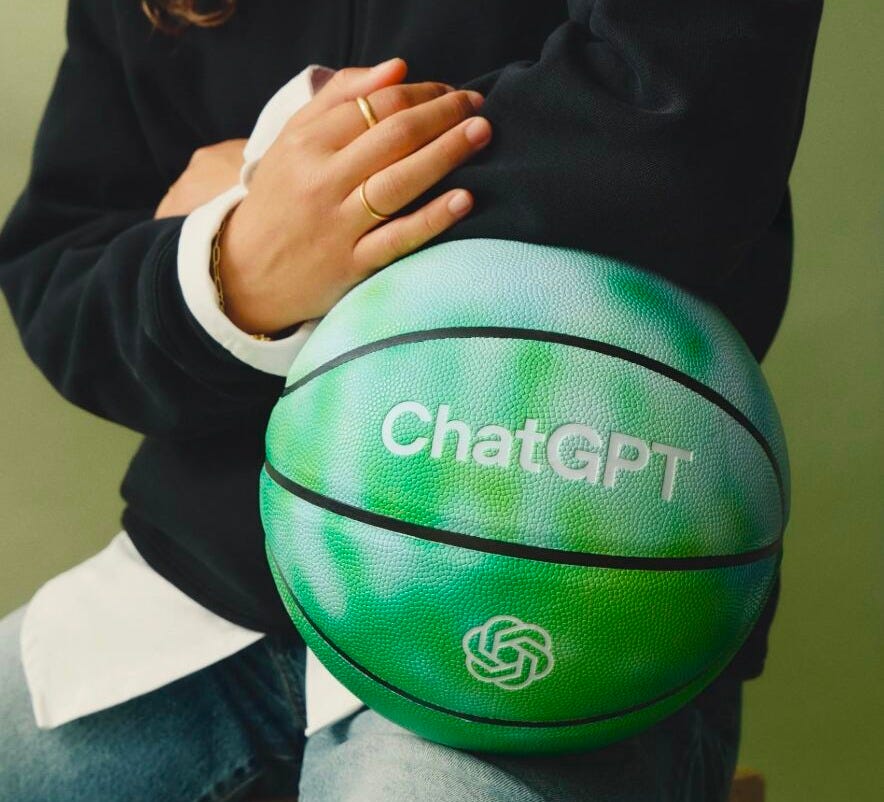
Two different companies chasing two different customers have landed on one shared bet, that an AI brand earns more goodwill from a coffee shop or a basketball than from another product demo, and an industry that spent a decade building the feed people couldn’t put down is now selling the merch that proves you did.
The bill comes due
For brands watching this play out, the real takeaway sits underneath the props and the stunts. Anthropic and OpenAI earned credibility from a specific point of view delivered in a format nobody expected from a software company, backed by something actually happening in a real room. That's the problem most tech brands still need to solve, turning a genuine product truth into a brand moment people want to be part of, rather than a campaign that just borrows the surface of authenticity.
The platforms and detectors in this issue are chasing that same substance from the enforcement side. The brands that win this next stretch will be the ones that built trust before they needed to prove it, and that's the work worth starting now, not after the next detector ships.
🚀 Ready to meet your NoGood partner?
Tell us where you are and where you want to be — and we’ll help get you there.