

The lawsuit happening right now
Elmer Saflor drew the “Running Away Balloon” comic all the way back in 2017, and for the better part of a decade it’s been one of the most popular meme formats with thousands and thousands of variations that nobody ever thought twice about. This July, Saflor sued a company called Memes App for turning his comic into a paid, commercializable ad template with no license, and is consequently asking for a permanent injunction, damages, and the company’s profits.
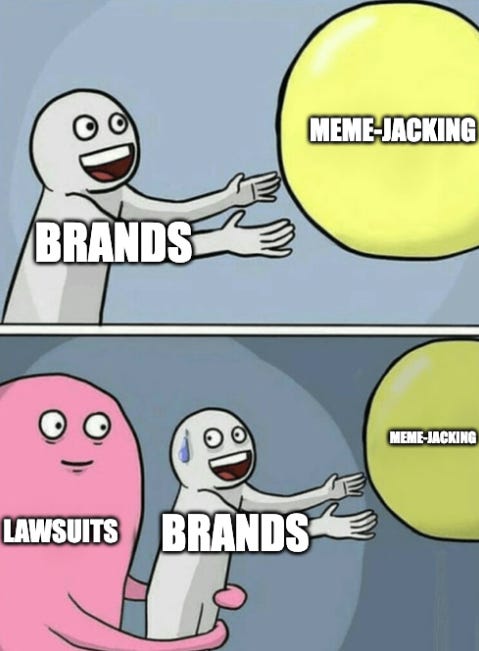
It paints a future for meme culture that isn’t just a hypothetical anymore. A filing in federal court about commercialized memes could set a real precedent for memes and fair use, and it could change the meme-jacking strategy that many brands have built their identity on.
The free ride
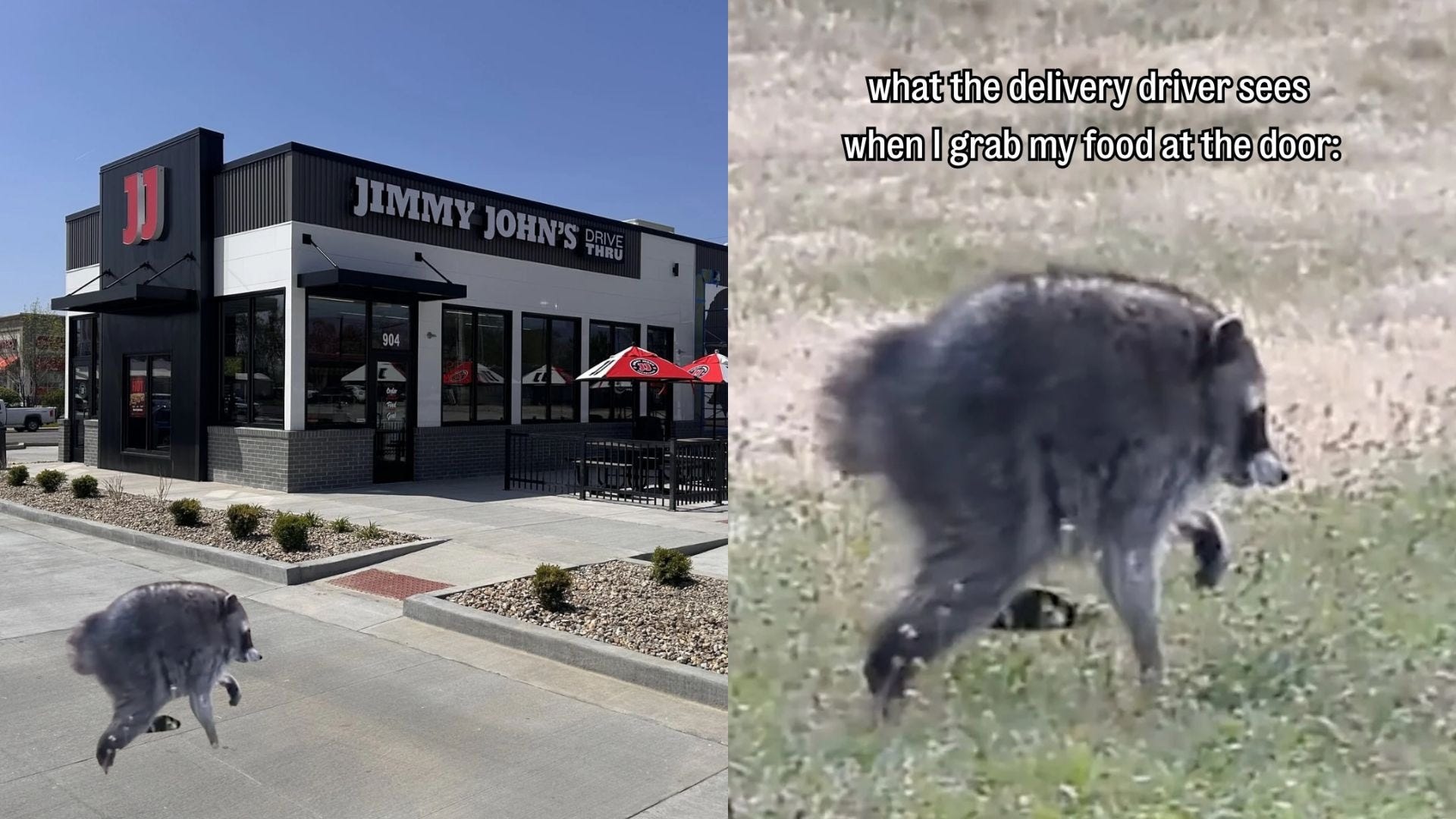
In early July, a local Seattle raccoon with a condensed spine named Jimothy the Raccoon won over the internet. Within a week of his story breaking, Jimmy John’s and Applebee’s had already slapped him on their feeds, and he even made it into an image that would be posted by the White House’s X account.
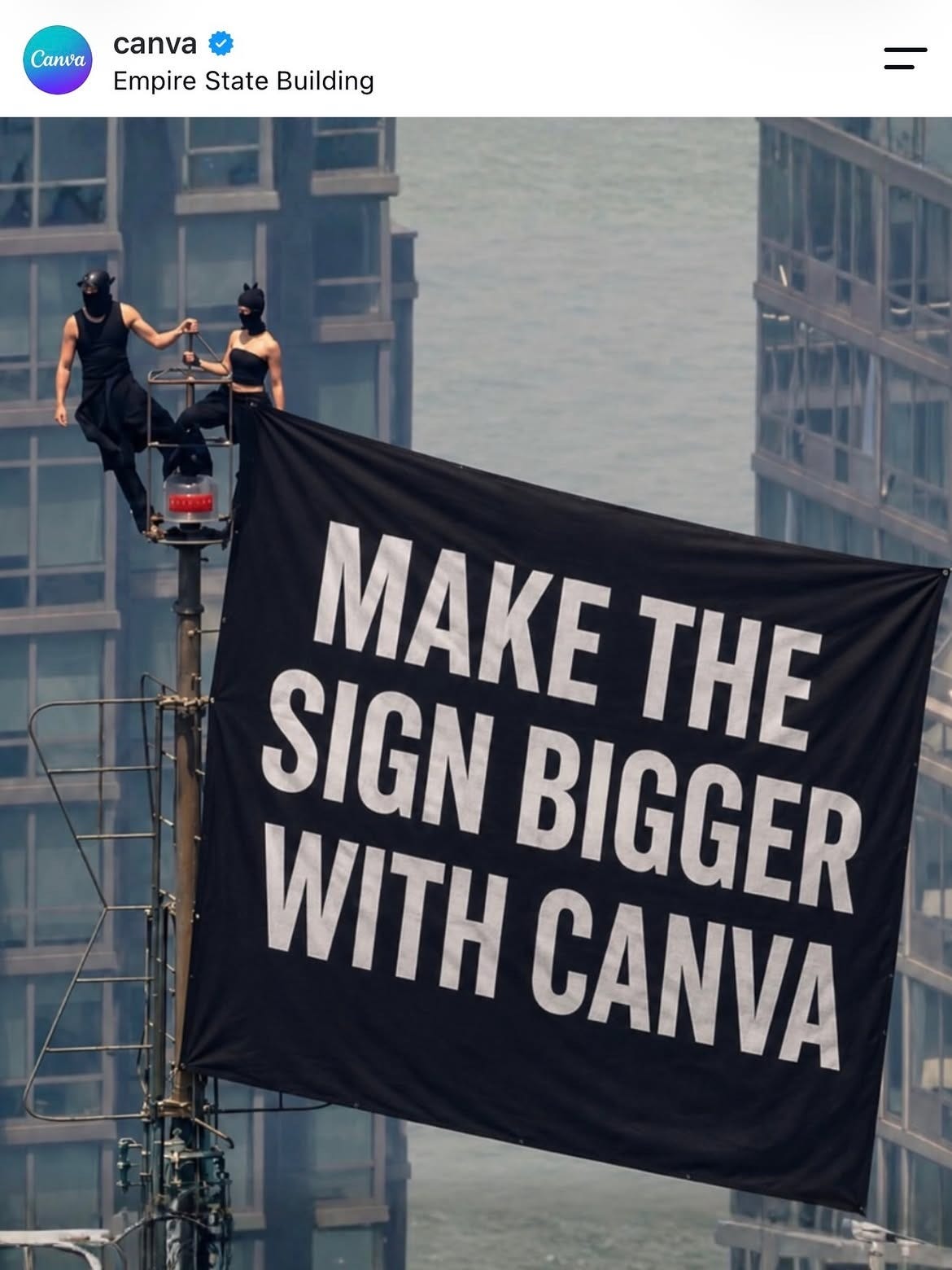
Prior to Jimothy’s viral moment we had the flag stunt on the Empire State Building that had Angela Nikolau and Ivan Kuznetsov climbing to the top and holding a sign stating, “When the power of love beats the love of power, the world knows peace.” Within 24 hours, brands like DoorDash, Cisco, Canva, and Duolingo posted their own variation with their own messaging on the flag.
Neither moment cost a brand a dime. Nobody involved had copyrighted their own virality, so fair use held up fine. Saflor’s comic proves that argument only holds until someone with a copyright registration decides to test it.
The exposure was already there
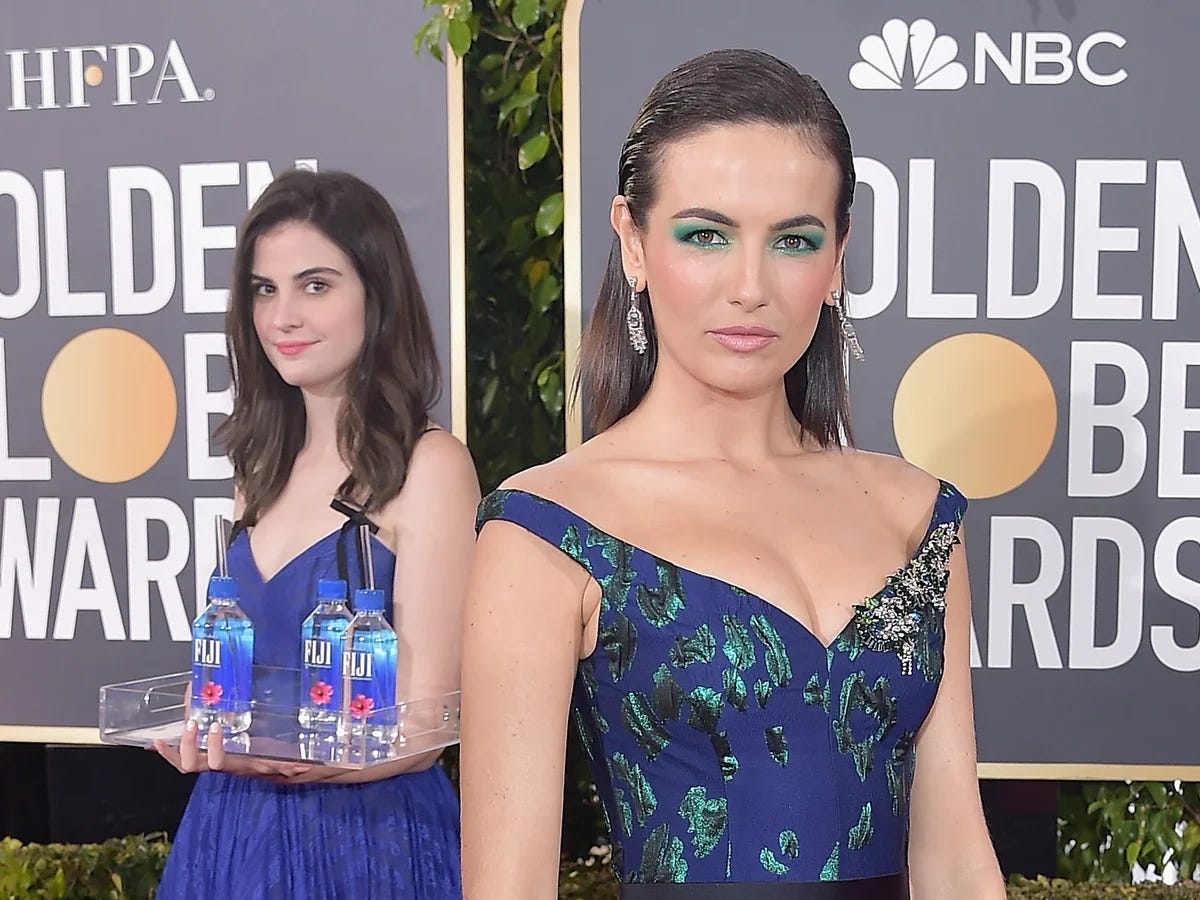
In the 2010s, Kelleth Cuthbert became known as the “Fiji Water Girl,” after holding Fiji water bottles at the Golden Globes. But Cuthbert never even signed off on being the “Fiji Water Girl” in the first place, so when Fiji ran a national campaign around her anyway, a lawsuit was filed and was eventually settled after several rounds of litigation.
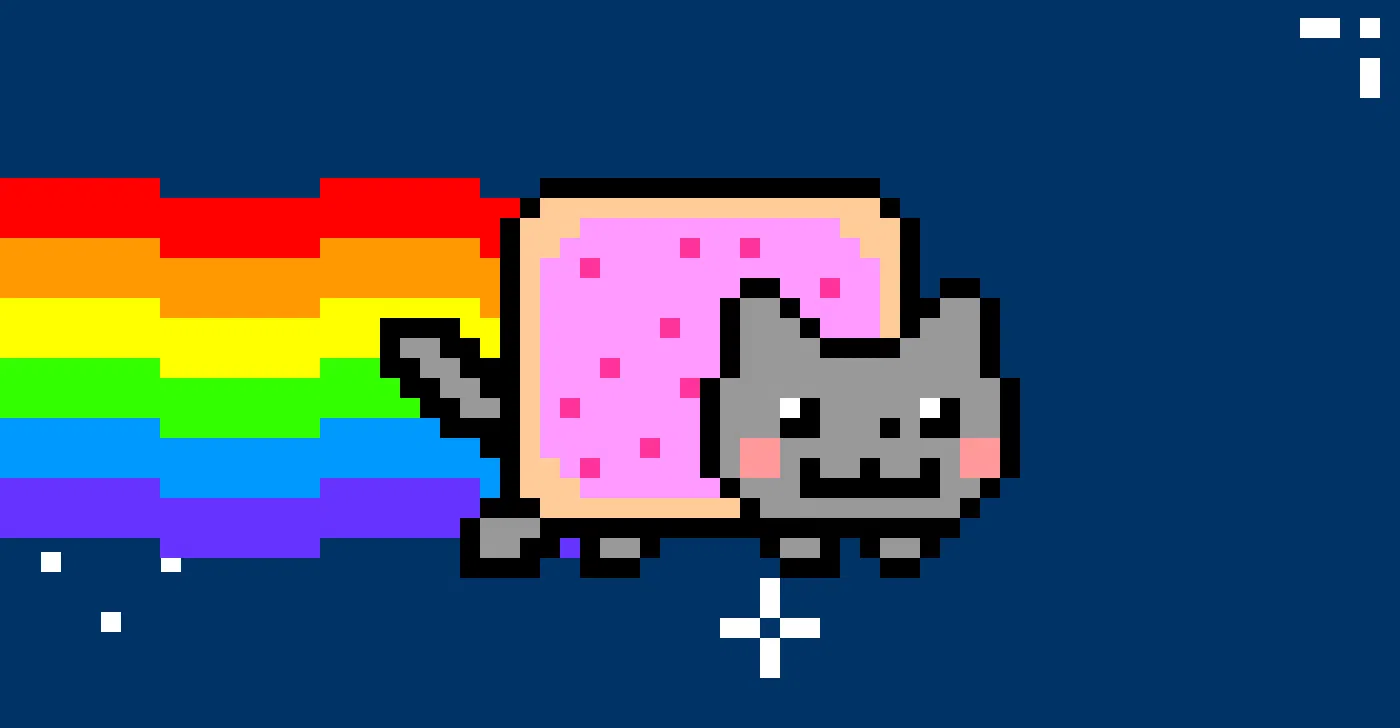
The creators behind early internet memes Nyan Cat and Keyboard Cat sued Warner Bros. over an unlicensed cameo in a video game and walked away with a settlement and a licensing deal. Additionally, Grumpy Cat’s team won $710,000 from a beverage company that had a license and still overstepped it.
The pattern holds across all of these, as it shows a meme without a rights holder is free to use, but a meme with one, even a reluctant one, is a lawsuit waiting for a brand that moves too fast. The WNBA players’ union has already taken the next logical step, barring licensees from producing merch off confrontational moments between players before a single brand gets the chance to post one, potentially creating a world where meme-lords could do the same.
Borrowed culture, real bill
The reality is that the grey area of memes is shrinking. Meme-jacking finally got successful, and success made it profitable enough for everyone to notice and want a piece of the pie.
Brands using memes as a sort of free distribution hack to borrow culture are now borrowing liability, and betting no one will care to collect. That bet gets worse and worse every year as the format grows in popularity and generates real sponsorship money and revenue. Saflor is suing over his comic from over 10 years ago now because his meme finally became worth suing over.
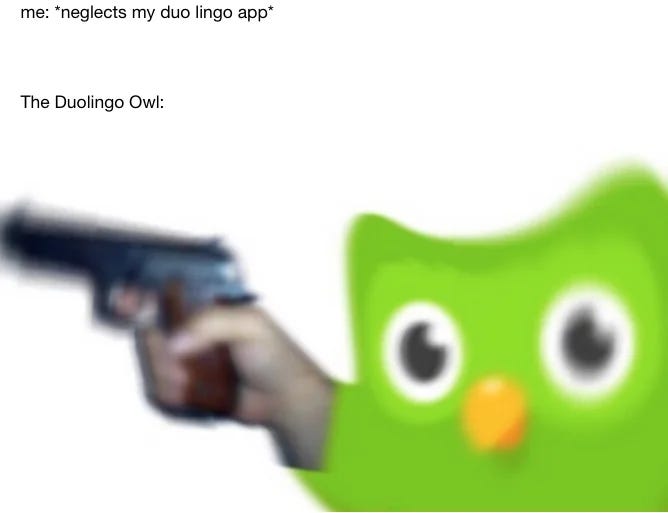
Brands built to survive this are the ones building a bit nobody else can legally borrow, the way Duolingo owns an unhinged owl rather than renting another meme, because you can either own the joke, or eventually pay for someone else’s.
Do you think brands should slow down on meme-jacking as the legal risk becomes common knowledge, or does the payoff stay big enough that getting caught is just a cost of doing business?