

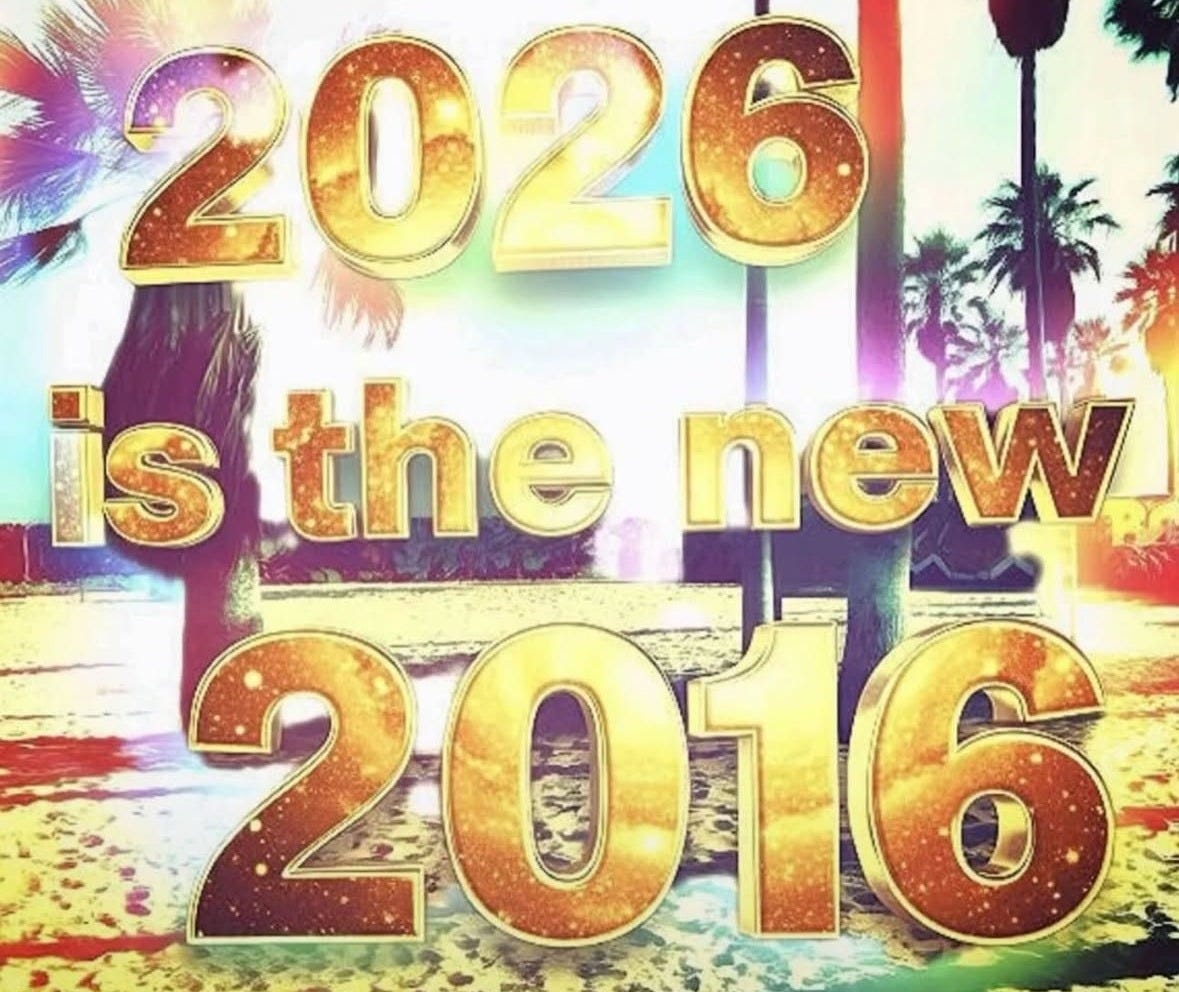
Is 2026 really the new 2016?
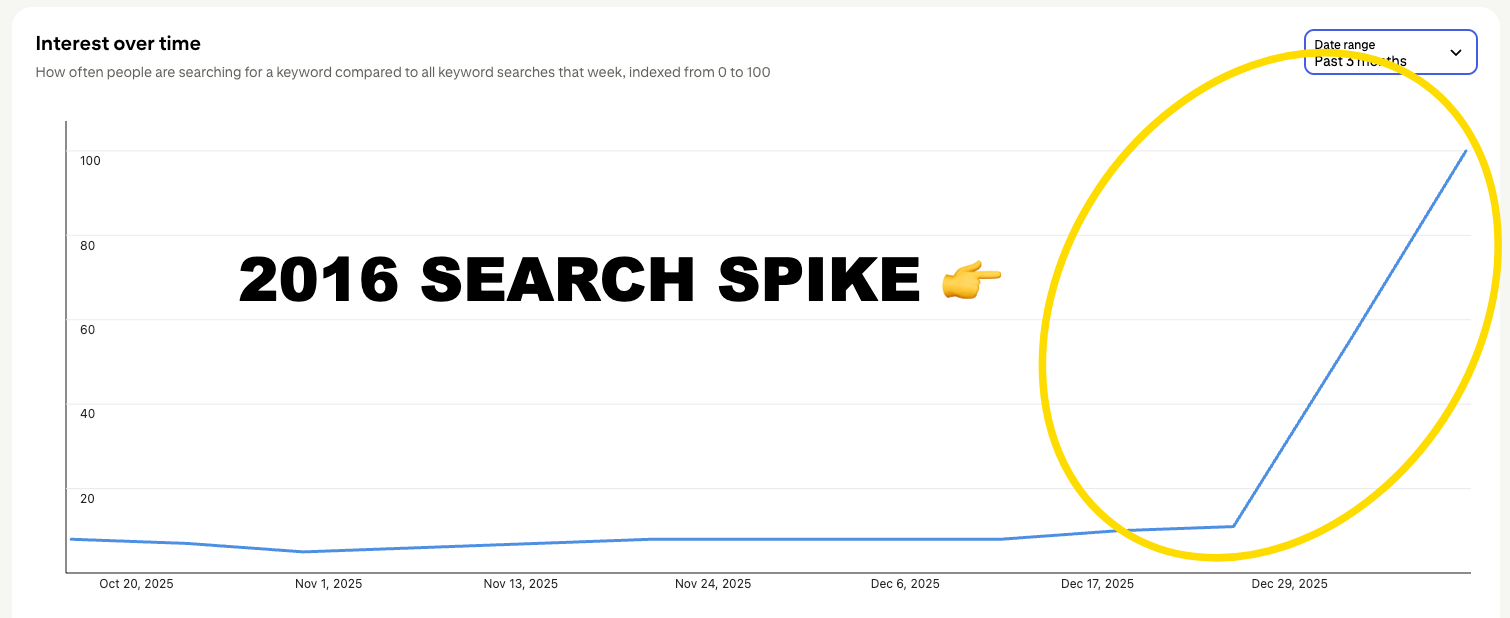
The 2016 filter on TikTok is trending, TikTok reports that searches for “2016” surged by 452% in the last week, and stats from Spotify show a 71% increase in “2016” playlists last year compared with 2024.
For many, 2016 felt like the last time social media felt truly social because it was a time before people performed for relevancy and before AI slop flooded our feeds.
People posted what they felt like posting, whenever they felt like posting it.
They might post a picture of their dinner on Instagram — not because it was a brand collab, not because it was to promote fitness and nutrition, but just because it looked tasty.


In 2016, social media status was about living in real moments instead of just chasing virality.
But this is more than just nostalgia.
This signals a collective rejection of the current internet infrastructure itself: algorithms, performance pressure, posting for views, and curated feeds that turned self-expression into a full-time job.
2016 represented a balance between offline and online culture. It was a version of the internet where you didn’t live in a personalized echo chamber.
Nostalgia has now become a coping mechanism for people’s burnout from years of optimization, surveillance, and currently, synthetic content.
To clarify: Gen Z and Millennials aren’t exactly asking for a return to the past – they just miss the conditions that made 2016 feel good (e.g. the ability to just exist online without constantly performing).
Considering how viral this trend is, we wouldn’t be surprised if brands started capitalizing on it.
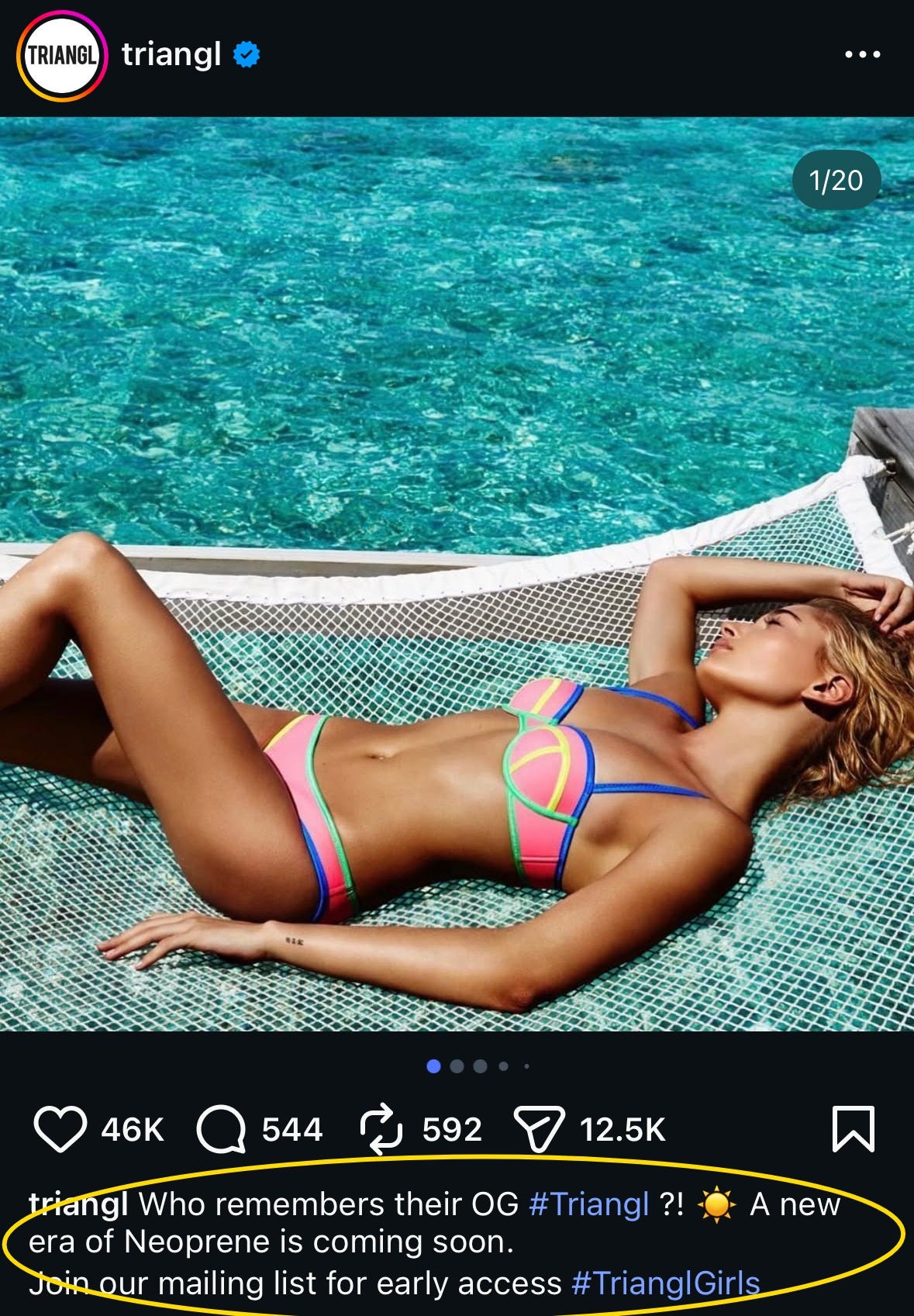
We’re already seeing this with popular 2016 bikini brand, TRIANGL, who teased the launch of new bikinis styled exactly like their 2016 drops.
We may see popular 2016 brands mine their 2016 archives, either turning it into content or re-releasing their most iconic pieces from that time.
Do you think 2026 is the new 2016?