


Instagram just decided to become YouTube (sort of) by rolling out Features, a long-form video format that runs up to 90 minutes. Instagram head Adam Mosseri announced it himself and confessed that, for a long time, he has “been against doing long-form video on Instagram.”
It’s a bold move from a company that’s tried this twice before, but third time’s the charm, right?
Instagram’s long-form graveyard
Back in 2018, Instagram launched IGTV. It let users post videos between 15 and 60 minutes long, and Instagram built it to compete with YouTube with a standalone app and a dedicated tab on Instagram. It never took off, especially with TikTok launching a few months later and starting the short-form arms race.
Then in 2021, Instagram folded IGTV into a new format called Instagram Video, and by 2022 the IGTV app was gone and anything under 15 minutes became a Reel. Long-form technically survived, but Instagram stopped paying attention to it.
YouTube, Disney+, and Netflix went the other way
YouTube already made this exact pivot, just in reverse. It launched Shorts in 2021, opening another door for creators to reach new audiences without giving up what made the platform work.
Streaming services like Disney+, HBO Max, and Netflix have also introduced short-form tabs built from their catalogs, a move that comes directly from the flood of show and movie clips already posted on TikTok, YouTube, and Instagram.
The shortform vs. longform equation
The reason these pivots to short-form work comes down to a simple equation.
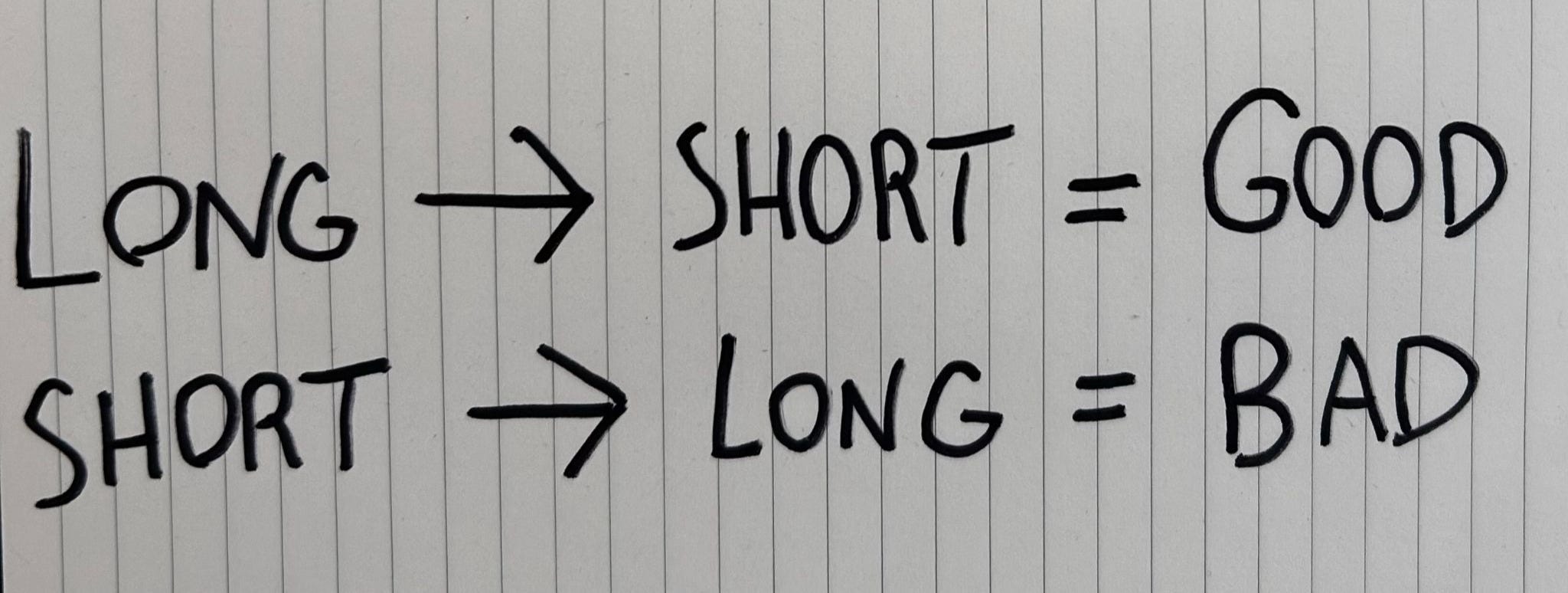
Instagram is, at its core, an app for connecting with people, whether that’s personal relationships or parasocial ones with creators, celebrities, and brands. Most of those parasocial connections happen in the Reels tab, and converting that relationship into 90 minutes of attention is tough.
Someone who already sits through a 40-minute video on YouTube will happily watch a 40-second one, but someone in the flow of back-to-back 40-second videos rarely swipes over to a tab of 40-minute ones.
The paycheck problem
There’s also the issue of the paycheck.
Instagram has been cutting back on monetization opportunities for creators over the past few years. Variety states that the platform is funding longer-form content directly with some creators right now, but that it’s too early to share a long-term monetization model.
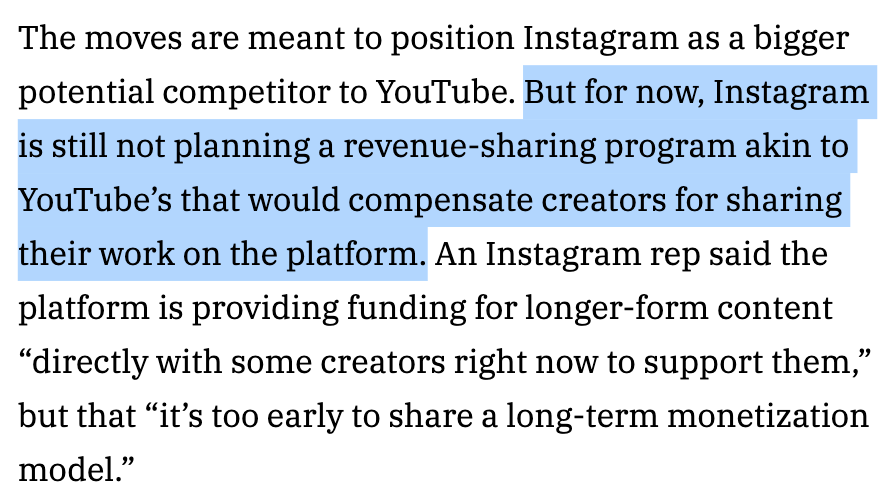
That’s not much incentive to make a long-form video over a short one.
Streaming platforms own their catalogs, so they don’t have to worry about a pay split. YouTube, meanwhile, has always had a generous ad share that’s allowed thousands of creators to support themselves and build careers on the platform.
TikTok lets someone else hold the remote
TikTok is also going after long-form video, but it isn’t building its own feed or app for it.
Tubi and TikTok announced the Creatorverse Incubator, starting with 12 creators who will bring 10 new series exclusively to Tubi. The slate went public this week, just a day after Instagram announced Features.
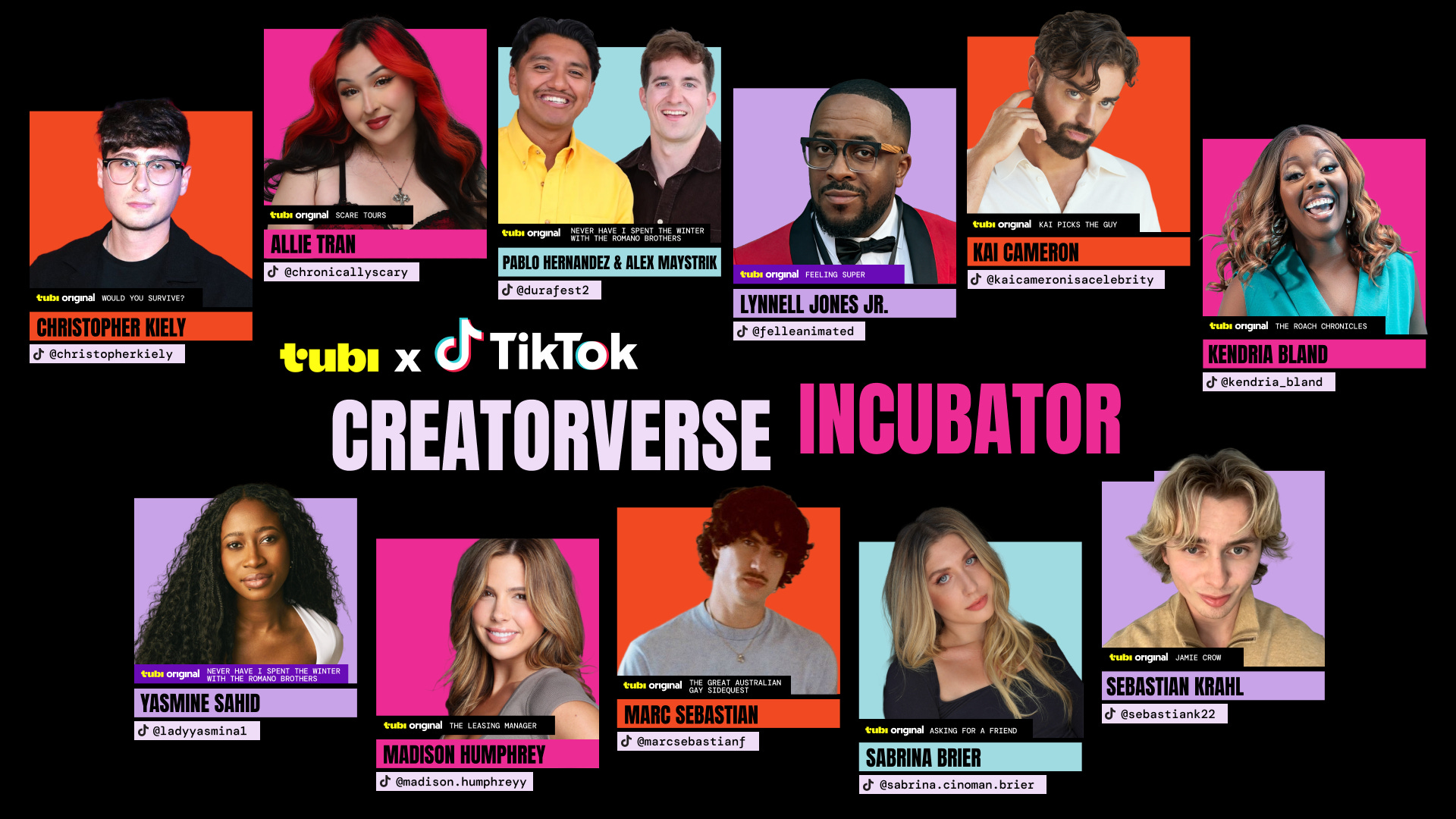
The split is the most interesting part.
TikTok identifies the creators, the shows debut exclusively on Tubi, and TikTok uses its Spotlight program to drive its users to Tubi.
It’s the smartest way around the equation. TikTok knows its audience moves from long to short much faster than short to long, so it keeps the feed short and sends long-form somewhere that’s built for it, without the short-form expectations.
Substack TV also did the thing
Substack is also building a pipeline, albeit from a bit of a different angle. It’s audience came for long from writing, so it
Substack began its push into video with video posts in 2022, then launched a TikTok-like video feed in its app in March 2025. In September, it added a podcast tab built to help creators reach their existing listeners and help new ones find them, with short clips serving as the way into full episodes.
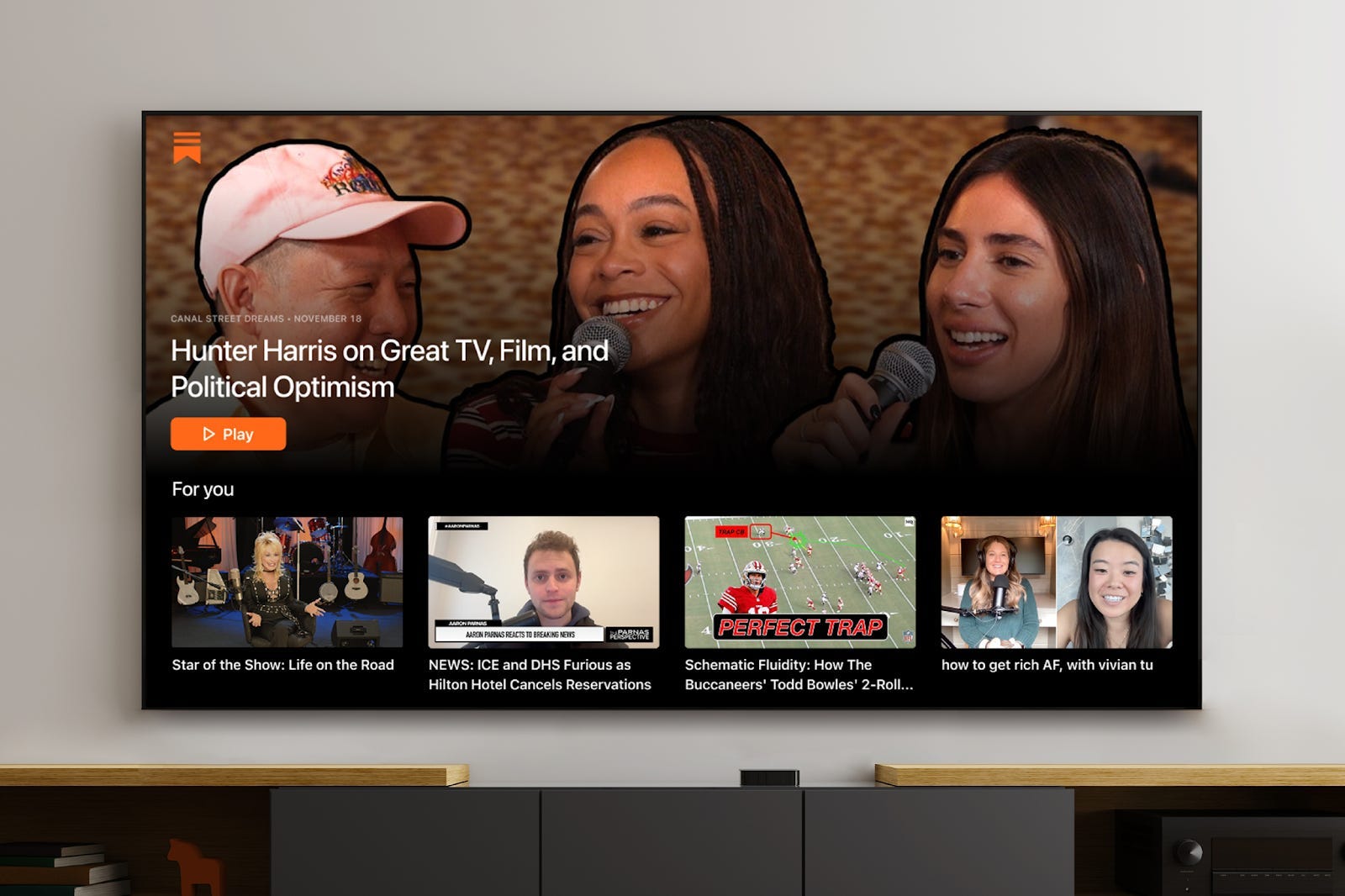
Then it took a step further by launching a TV app for Apple TV and Google TV in January, and creators who already publish video don’t need to do anything extra, since their videos automatically show up for signed-in subscribers.
Substack says creators publishing podcasts collectively earn over $200 million a year on the platform, and the paywall follows them onto the TV. Since Substack is already starting to use longform, it didn’t have to figure out how to pay for it since subscribers were already doing it.
Instagram’s problem is that its trying to be an entire ecosystem. It’s been copying TikTok, Snapchat, BeReal, X, and now YouTube (again), all while still being a platform built for connecting people.

If anyone wants to take bets on IG copying Substack and launching a long form writing tab, leave a comment with a wager.
Competing for the same seat on the couch
Every platform is converging.
YouTube started as entertainment and added short-form. Instagram started as a social app and is trying to stretch into an entire ecosystem. Streamers started with the catalog and are now borrowing the scroll to keep people from leaving. TikTok decided it didn’t need a seat for itself.
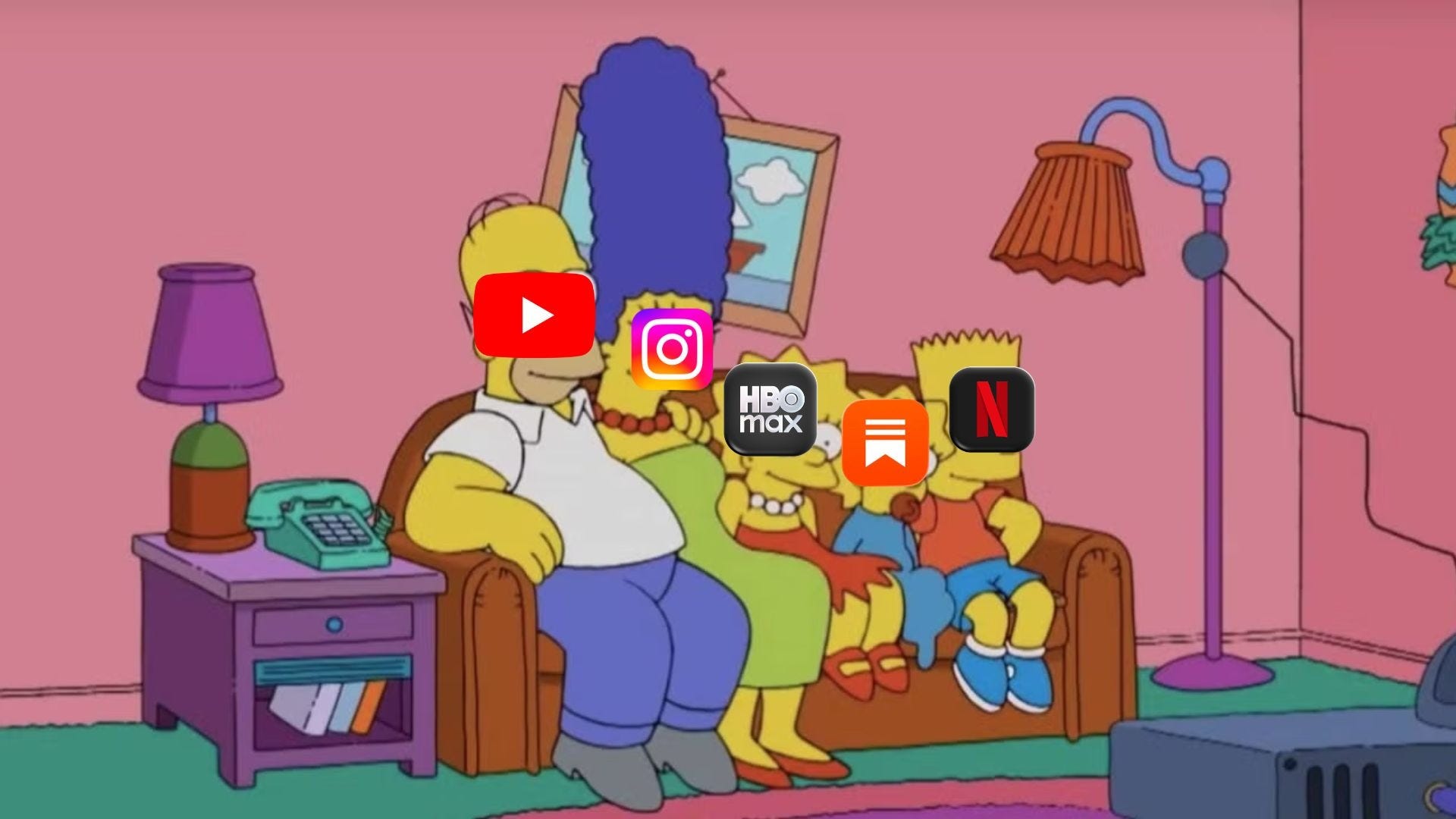
For brands and creators, that changes the plan, because creators visit where they’re seen and stay where they get paid. Whichever platform figures out how to connect short-form and long-form, whether it’s under one app or through a partnership, and pay for both will win the creators.
The jury is still out on whether Features will succeed, but Instagram’s track record of chasing other platforms doesn’t inspire much confidence. At the end of the day, YouTube is just that guy.