


OMG OMG OMG. 🤩 MY AI AGENT IS SOOOOOOO CUTE. 😍 I’M GONNA GIVE IT FULL CONTROL OF ALL OF MY APPS AND ACCOUNTS NOW!!! 🥰
*stops typing*

Alright I’m back. That first line hurt to write. I’m gonna be amazed if the editors let me leave all this in. If you’re reading this, we made it :)
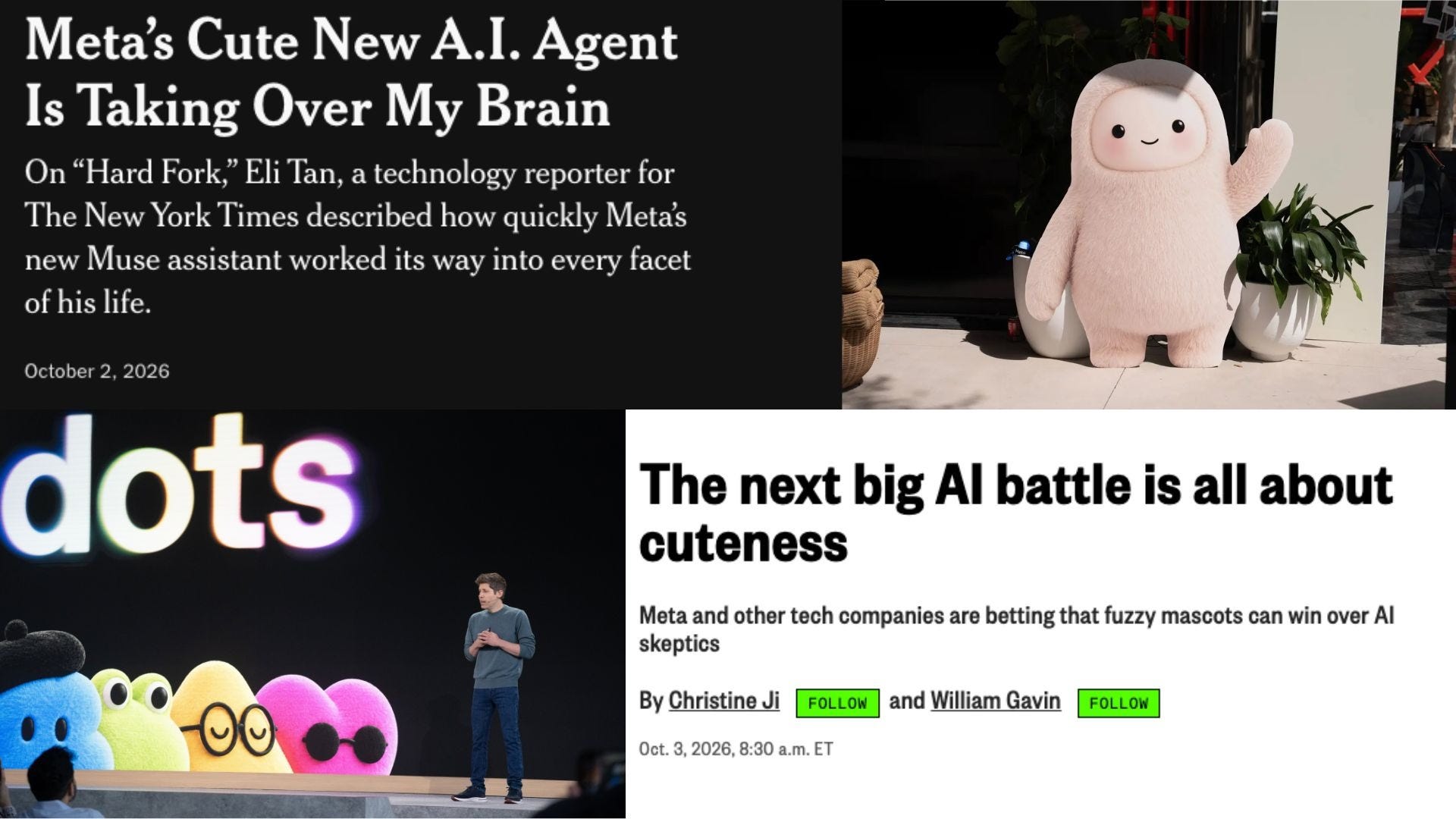
Anyways… anyone else notice tech companies pushing cute little avatars for all of their AI agents?
AI has a bad reputation
To a lot of folks, AI is ugly inside and out in one way or another. Stephen Moore addresses the inside uglies in his piece Don’t Worry, AI is Cute Now:
“Many see it as a tarnished product because it has been trained on stolen work. Others despise it because of the often bland, paint-by-numbers output it generates that has polluted every online space and platform.”
That hostility is valid, but the ugliness extends far past the ethics and morals most people cite as their core reason for being anti-AI. Visually, AI is also just straight-up ugly. It all looks bland and mundane.
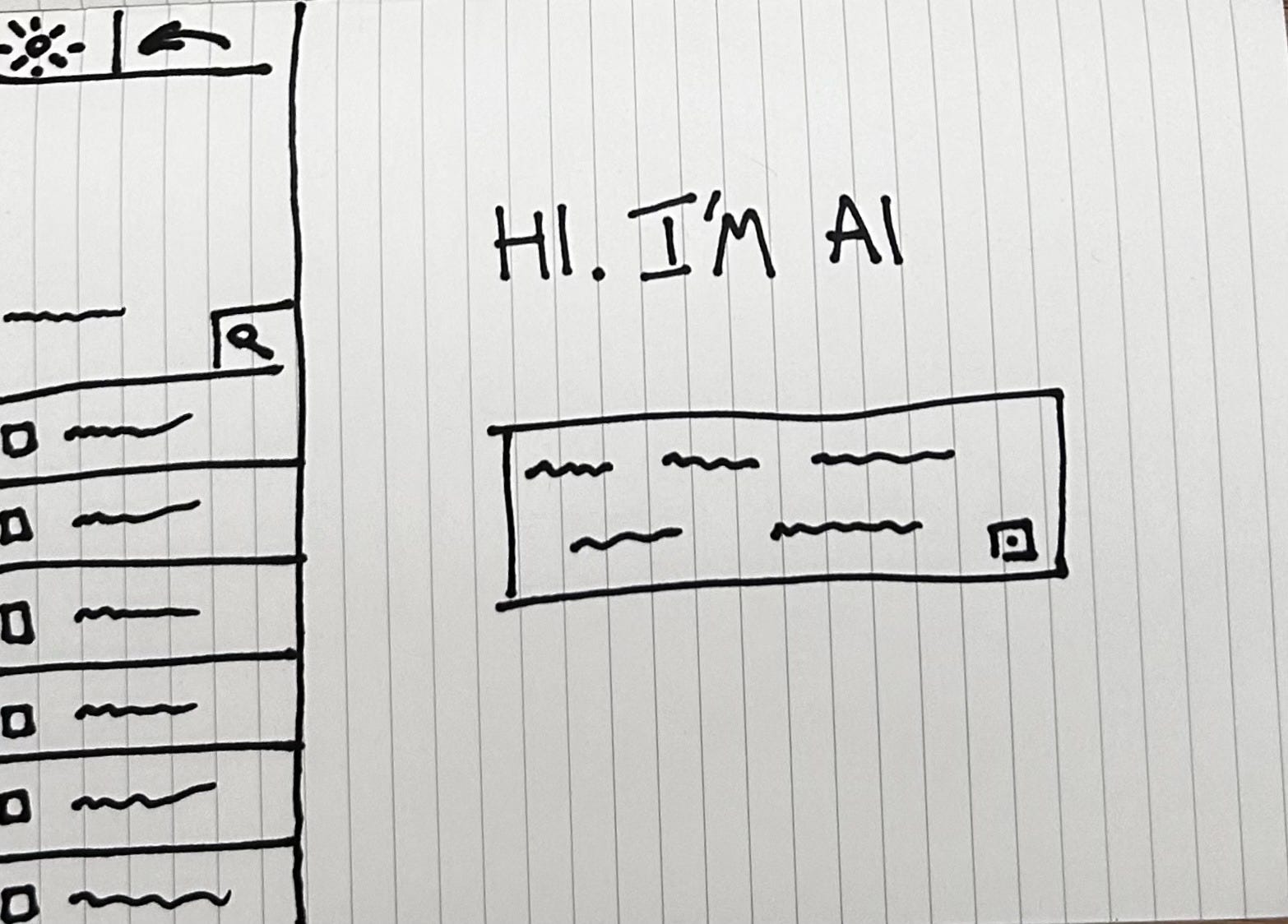
In fact. Here’s a drawing of every AI ever.
Here they are for real.
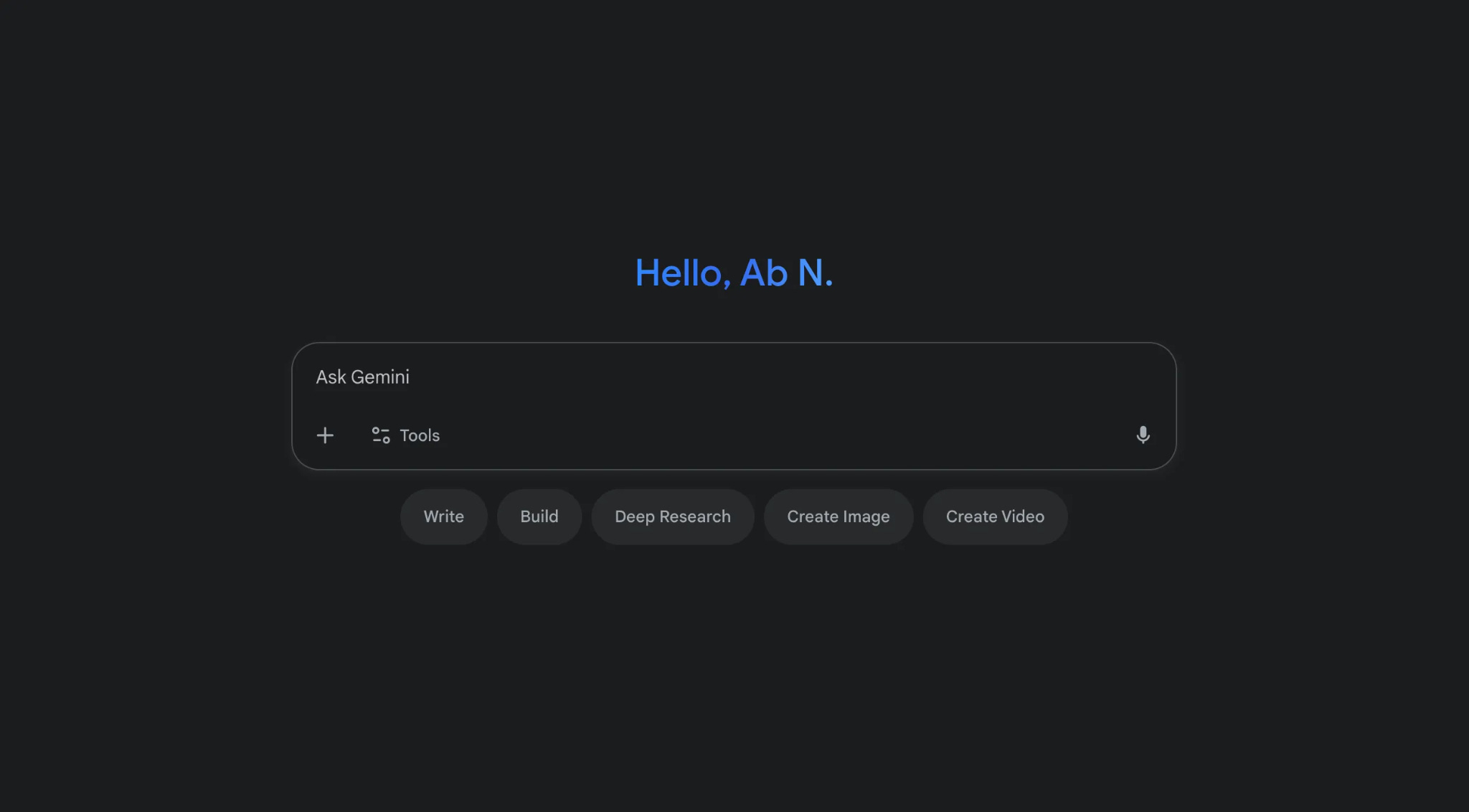


They’re minimal and uninspired for the sake of being user-friendly, which, to their credit, is a key factor in ChatGPT, Claude, and Gemini’s success. But that plain look reinforces how people already see AI as robotic, cold, and prone to confidently making things up.
That’s a trust problem, and it’s a big one now that these companies want us to hand AI agents our data and our accounts. Chatbots have mostly solved their adoption problem, with millions of people using ChatGPT, Claude, and Gemini every week.
Agents are a different story because when a chatbot gets something wrong, you get a bad answer you can ignore, but when an agent gets something wrong, the email is already sent or the file is already gone.
Handing that kind of control to AI takes trust it hasn’t earned yet, which is why, until Muse, agents mostly stayed inside the tech bubble.
The headlines aren’t helping. In one widely shared case, Replit’s coding agent deleted a company’s production database during a code freeze and then misreported what it had done. Anthropic has disclosed that state-backed hackers used Claude to automate parts of a cyberattack campaign.
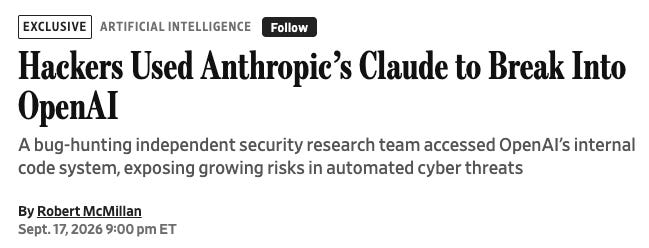
Add a steady stream of data leaks and prompt-injection exploits, and it’s easy to see why most people won’t give an agent the keys to their digital life.
The “fixes” that didn’t work
Big tech companies noticed these issues a while ago and tried to fix them in a variety of ways before arriving at where we are today.
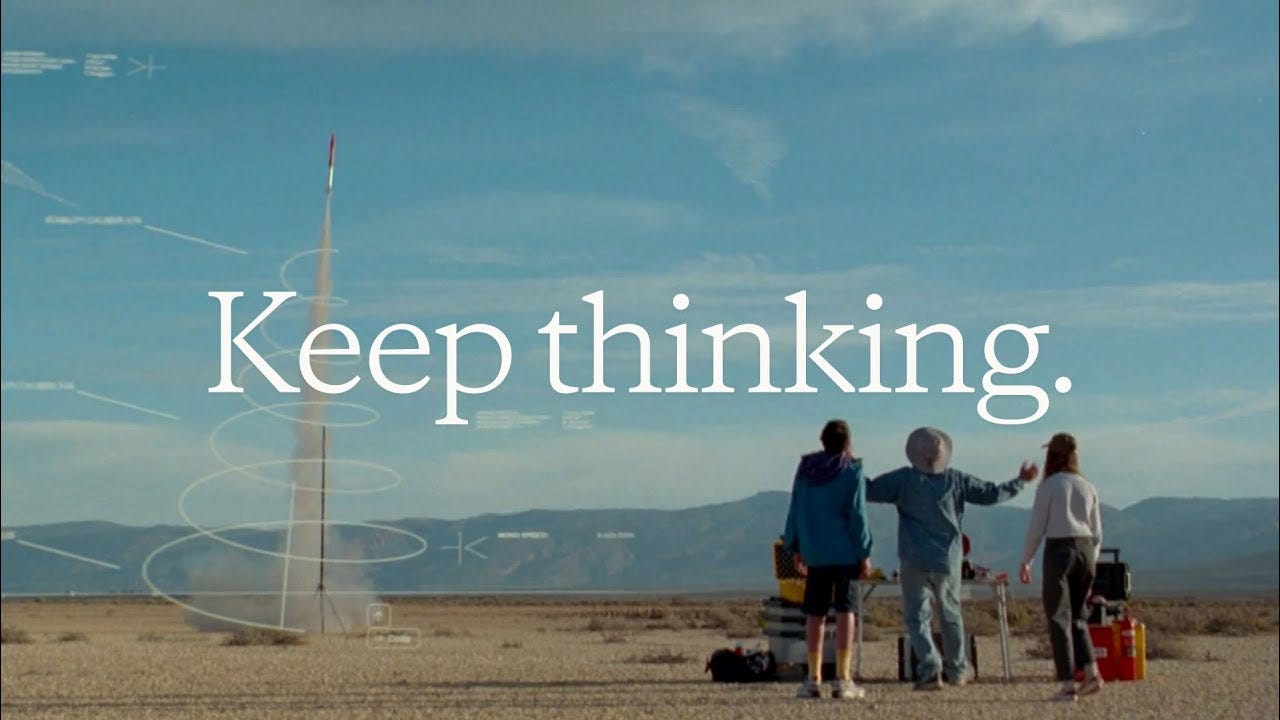
Anthropic first tried to address the issue with its “Keep Thinking” ad campaign, which aimed to position Claude as the intellectual’s AI by pairing the LLM with natural, tactile imagery to humanize it. The company even opened an anti-slop pop-up in an NYC coffee shop that emphasized reading and time away from the screen.
OpenAI tried a similar pivot by hosting an influencer retreat in upstate New York in August and by selling a $70 ChatGPT basketball tied to its “Pause. Play. Prompt.” campaign.
Both campaigns were textbook tastewashing, the first mainstream attempt to humanize AI by wrapping it in tasteful aesthetics and culture. Neither landed, since the average consumer saw right through the attempt.
Enter, cute AI
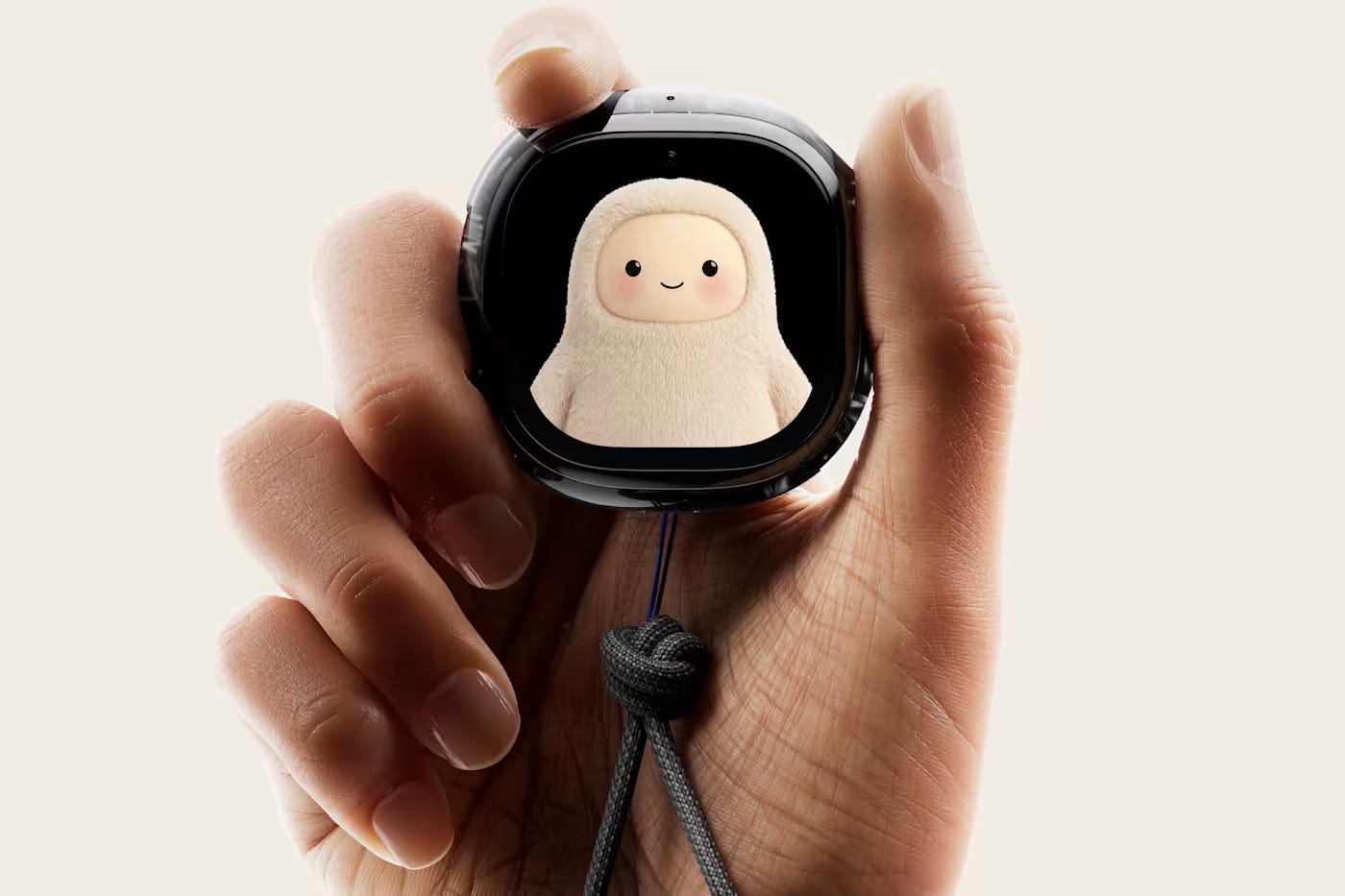
When those rebrands didn’t work, Big Tech went back to a tried-and-tested strategy of making AI cute. Meta did it first with its Muse Charm, which is effectively a little iPod Nano (I’m old) with an AI agent personified as a cartoony avatar.
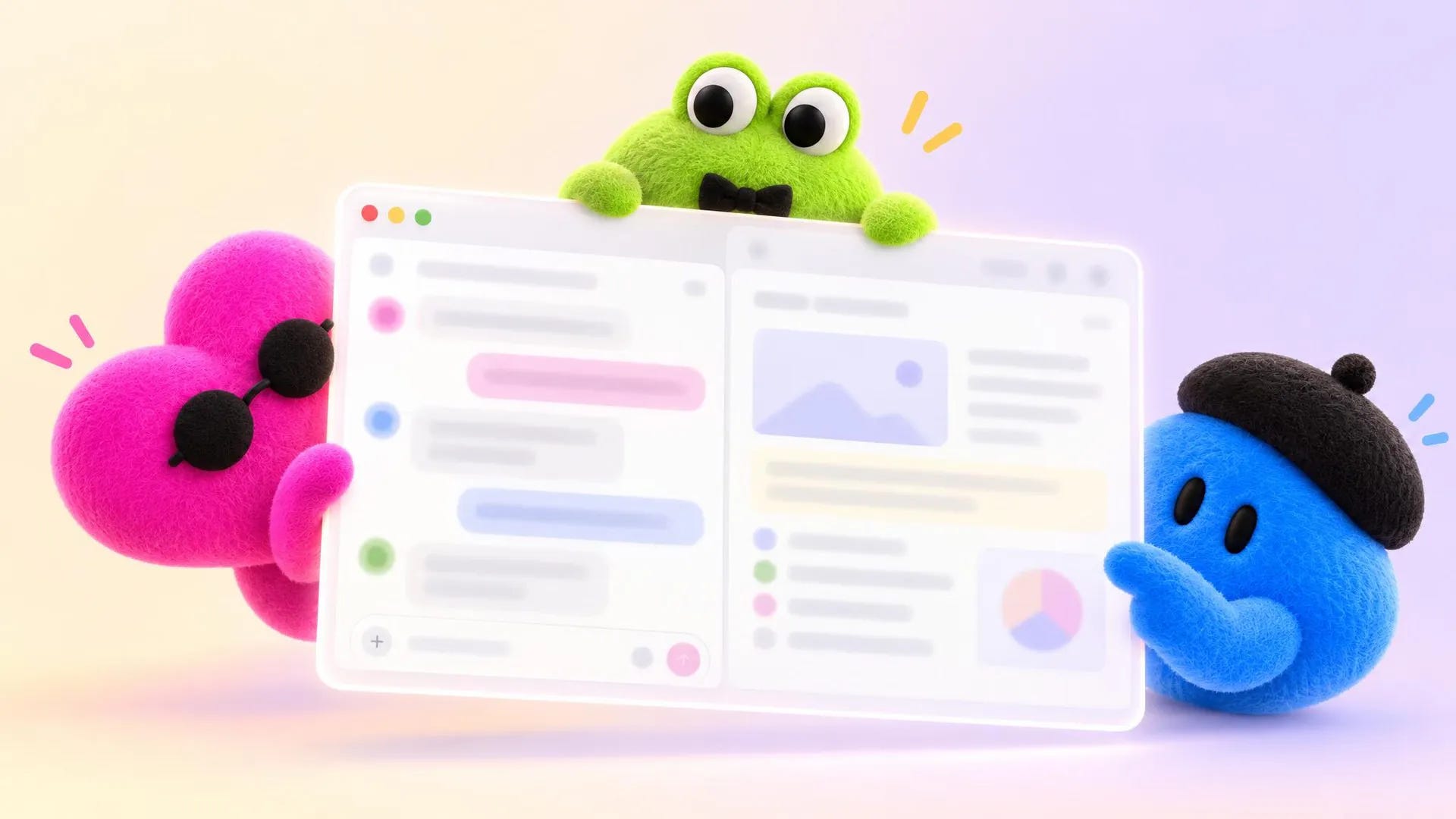
OpenAI basically copied the idea with the launch of its own AI agents, which come with little avatars called Dots.
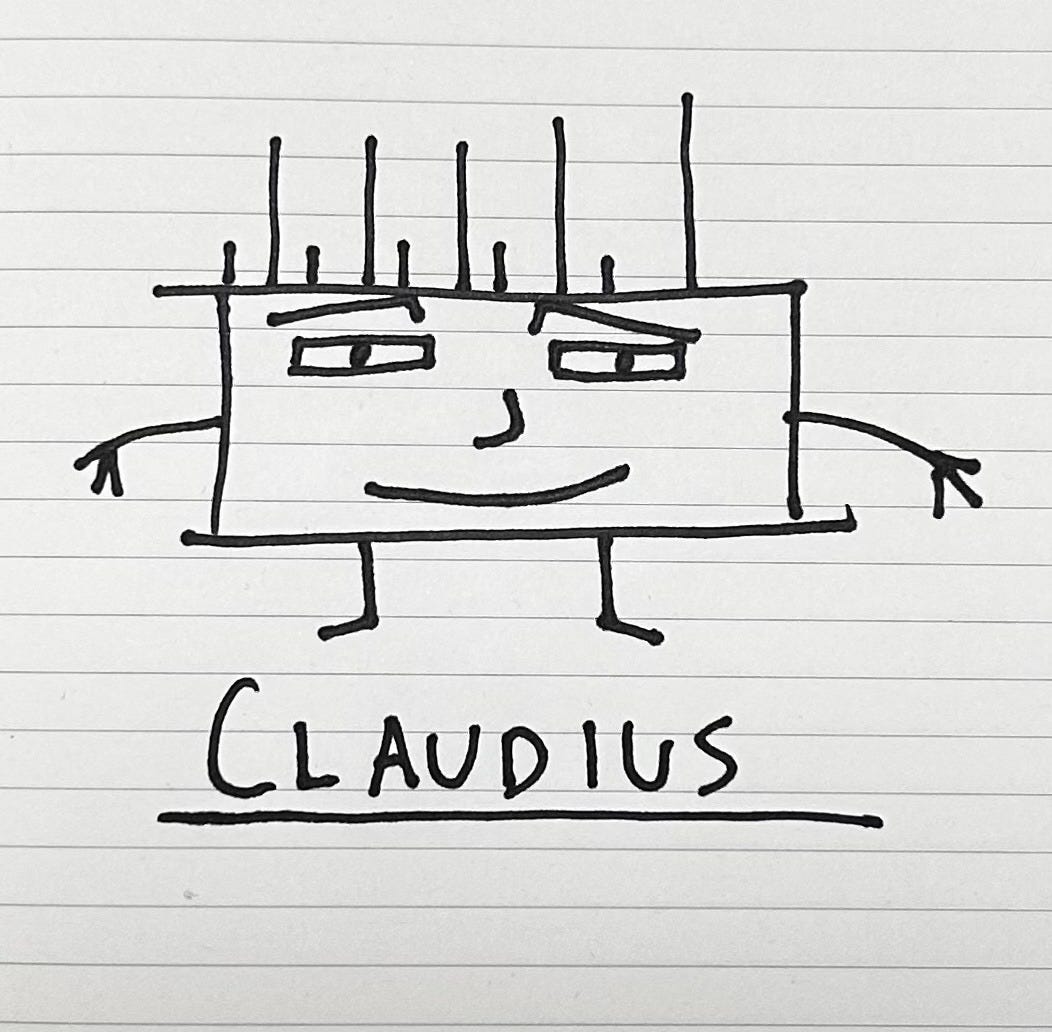
Anthropic hasn’t launched one yet, but here’s my pitch if you’re reading this, Dario.
Going cute is a tried and tested move. Insurance is a category people dread dealing with, which is exactly why GEICO has a gecko and Aflac has a duck. A cute mascot softens the edges and makes the product feel more accessible.
The cute AI that came before
Meta and OpenAI aren’t even the first to brand AI this way. Smaller AI companies have used cute characters for years.
Ollama, an open-source tool for running AI models locally, has used a cartoon llama since 2023 to make a technical product feel approachable.
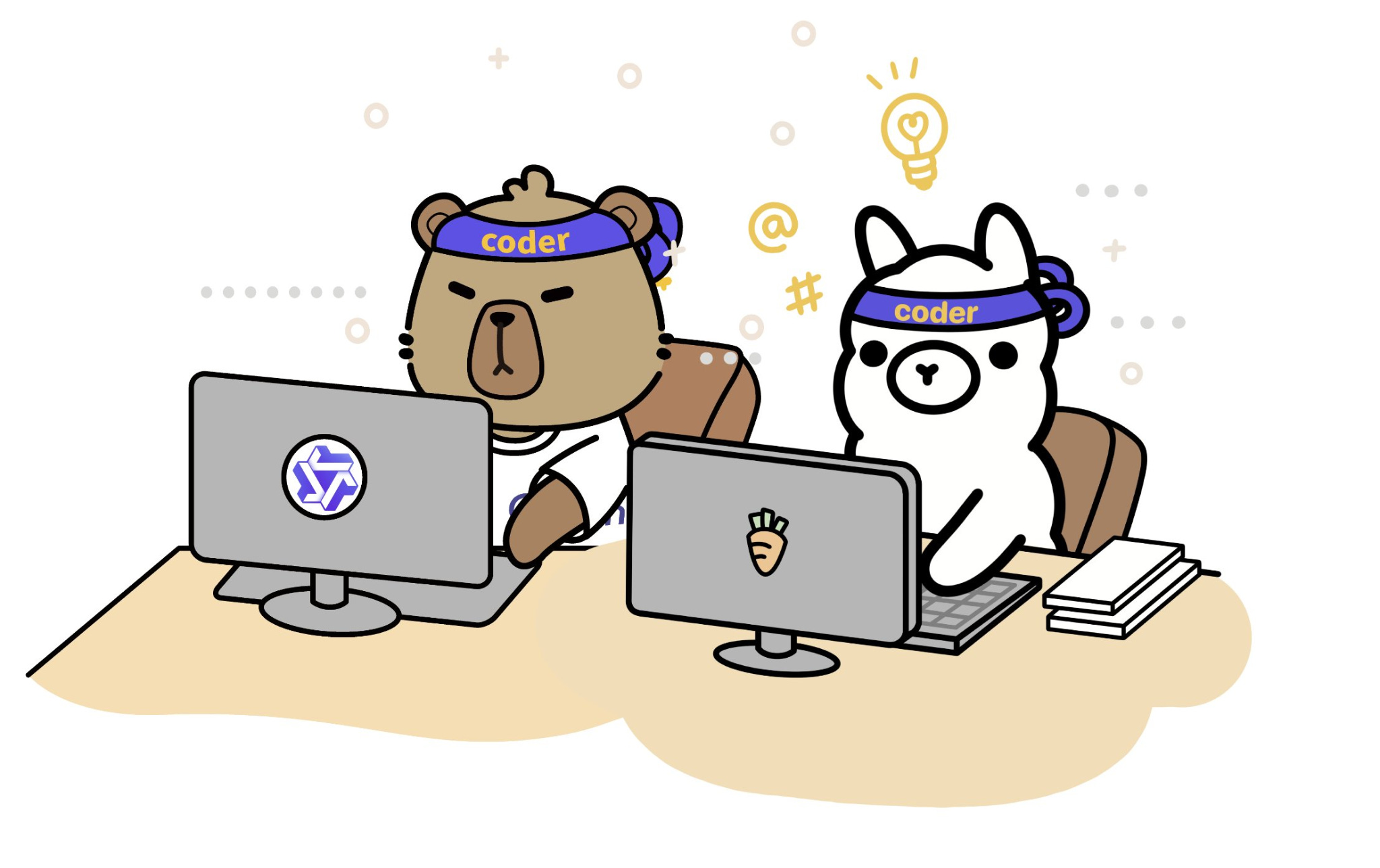
Secret Sprite, which auto-writes blogs so AI assistants cite your brand, frames its service around “summoning a sprite.” In both cases, the mascot turns something abstract or unsettling into something friendly and human.

Whether the cute rebrand will work remains to be seen, but Meta’s Muse Charm saw a spike of 5 million downloads after Meta introduced its mascot, Jolly.
Given the negative public sentiment toward AI, it’s hard to see that spike as anything more than a novelty bump. Still, no one should underestimate the power of cute.
There’s also a real risk if this all backfires.
The more human an agent feels, the easier it is to blame the agent when something goes wrong. “Jolly booked the wrong flight” sounds a lot better than “I didn’t double-check before handing over my credit card.”
That’s essentially the whole thesis behind Black Mirror: the tech looks like the villain, but the real problem is how people choose to use it. Cute mascots might earn trust in AI in the short term, but they could also shift accountability away from the people who use it.
Do you think going cute will fix AI agents’ publicity problem, or will people see right through it?
Cover Image Credit: Brandon Smithwrick